A representative 2026 survey by Bankrate indicates that 56% of Americans cannot cover an unexpected $1,000 expense from their savings. When faced with sudden car repairs, annual insurance premiums, or holiday shopping, most people default to high-interest credit cards. This cycle of reactive spending creates a perpetual loop of high-interest debt that blocks long-term wealth building. But what if you could foresee these “unexpected” costs and pay for them entirely in cash? Enter sinking funds: a simple, proactive budgeting strategy designed to handle large, non-monthly expenses without financial stress. In this guide, you will learn exactly how sinking funds work, how they differ from emergency funds, and how to set them up to secure your financial future in 2026.
Key Takeaways
– Sinking Funds Prevent Debt: Proactively saving small amounts monthly prevents relying on high-interest credit cards for predictable, non-monthly expenses (WealthForge, 2026).
– Distinct from Emergency Funds: Emergency funds cover unplanned crises, while sinking funds are designated for known, future costs like car maintenance or holidays (Bankrate, 2026).
– High-Yield Savings are Best: Placing sinking funds in accounts earning over 4.0% APY helps your savings outpace inflation while keeping cash liquid (Federal Reserve, 2026).
What is a Sinking Fund and How Does It Work?
In 2026, data from the Federal Reserve Board highlights that the average credit card interest rate remains above 21%, making borrowing for predictable expenses an expensive mistake. A sinking fund solves this by breaking a large future expense into manageable monthly contributions. Instead of facing a sudden $1,200 bill, you save $100 monthly for a year.
This method shifts your financial posture from defensive to offensive. Are you tired of feeling blindsided by annual insurance premiums or holiday gifts? By setting aside small, dedicated amounts each month, you build a cash cushion that completely neutralizes these financial speed bumps. You are essentially paying your future self before the bill even arrives.
This proactive approach integrates perfectly with a zero-based budget. If you want to master this overall budgeting philosophy, check out our guide on How to Create a Zero-Based Budget That Actually Sticks in 2026. By assigning every dollar a job, you can easily allocate a portion of your income to these specialized savings buckets.
Sinking Fund vs. Emergency Fund: What is the Difference?
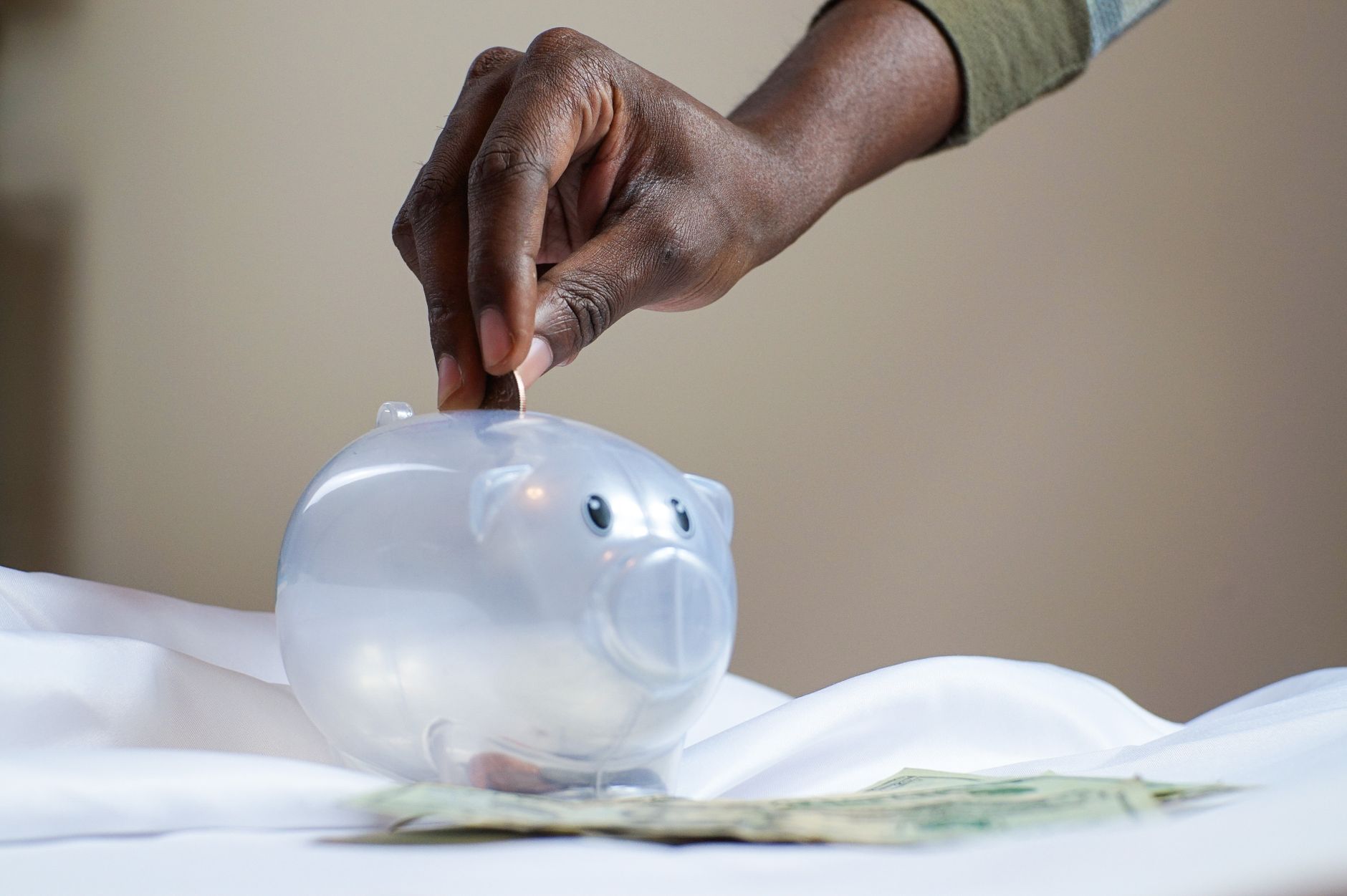
In 2026, personal finance experts emphasize that while emergency funds are for the unknown, sinking funds are for the known. According to a 2026 survey by Bankrate, 56% of Americans lack the liquid savings to cover a surprise $1,000 emergency expense, which underlines the urgent need for distinct savings buckets.
Think of your emergency fund as your financial shield against the unpredictable—like a sudden job loss or an unexpected medical emergency. A sinking fund, on the other hand, is a targeted bucket for a specific, inevitable event, such as a planned summer vacation or annual car registration. Why mix the two and risk draining your emergency safety net?
When you use your emergency fund for predictable costs, you leave yourself vulnerable to genuine crises. By keeping these two strategies separate, you ensure your emergency reserves stay intact. Your sinking funds handle the expected bumps in the road, while your emergency fund remains your ultimate safety net.
Why Do You Need Sinking Funds in 2026?
In 2026, a cost-of-living analysis by the Bureau of Labor Statistics (BLS) shows that household expenditures on vehicle maintenance and insurance have climbed by over 5% annually. Sinking funds protect your budget from these rising costs by ensuring you have dedicated cash reserves ready before the bills arrive.
Without these funds, even a minor car repair can derail your monthly cash flow. Do you find yourself relying on credit cards every November for holiday shopping, only to spend the next six months paying off the interest? By planning ahead, you completely bypass the stress of debt and keep your financial goals on track.
This proactive approach also helps you resist lifestyle creep. As your income grows, it is easy to overspend unless you have guardrails in place. To keep your spending aligned with your long-term wealth goals, read our comprehensive guide on How to Avoid Lifestyle Inflation in 2026: The Ultimate Guide.
How Many Sinking Funds Should You Have?
In 2026, consumer spending surveys from the National Retail Federation indicate that the average holiday shopper spends over $1,000 on gifts, decorations, and food. Managing multiple sinking funds—typically three to five core categories—allows households to segment these costs and prevent general savings depletion.
While it might be tempting to create twenty different savings accounts, simplicity is key to maintaining consistency. Focus on your largest, most predictable annual expenses first. What are the non-negotiables in your life? Start with car maintenance, holidays, and home repairs, then branch out to secondary priorities.
Having too many funds can lead to decision fatigue. If you spread your savings too thin, you might feel like you are not making progress anywhere. Keep your categories broad enough to remain manageable, yet specific enough to prevent you from dipping into them for everyday impulse purchases.
Where Should You Keep Your Sinking Funds?
In 2026, Federal Reserve interest rate benchmarks indicate that high-yield savings accounts (HYSAs) continue to offer yields above 4.0% APY, whereas traditional bank savings accounts average a meager 0.06% APY. Utilizing a high-yield account or a money market account ensures your sinking funds earn competitive interest while remaining fully liquid.
Keeping your sinking funds in your primary checking account is a recipe for accidental spending. By moving these funds to a separate high-yield savings account—or even a money market account—you create a physical and psychological barrier. If you are unsure which account type fits your goals, compare your options in our detailed guide on Money Market vs Savings Account: Where Should You Park Cash in 2026?.
For instance, if you establish three sinking funds totaling $5,000 across a year and park them in a traditional savings account earning 0.06%, you will earn a mere $3 in interest. However, by placing that same $5,000 in a high-yield savings account earning 4.25% APY, you would generate approximately $212.50 in passive interest over twelve months. That is free money that directly offsets your planned expenses.
How to Set Up Your Sinking Funds: A Step-by-Step Guide

In 2026, financial planning data from the CFP Board reveals that automated savings strategies increase a household’s savings rate by over 40% compared to manual transfers. Setting up automated monthly contributions to your sinking funds removes human error and guarantees steady progress toward your financial milestones.
To start, list your upcoming non-monthly expenses for the next twelve months. Next, divide the total cost of each item by the number of months you have left to save. Finally, automate these transfers directly from your paycheck or checking account on payday so you never have to think about it.
Let’s calculate a real-world scenario. Imagine you have three major goals: a $1,200 vacation in 12 months, an $800 annual car insurance premium due in 8 months, and a $1,000 holiday budget due in 5 months. Your monthly savings math looks like this: Vacation requires $100 per month ($1,200 / 12); Car Insurance requires $100 per month ($800 / 8); Holiday budget requires $200 per month ($1,000 / 5). Your total monthly sinking fund contribution is $400. Once Month 5 hits, your holiday fund is fully funded, and your total monthly savings requirement drops back down to $200.
What Are the Most Common Sinking Fund Categories?

In 2026, automotive data from AAA indicates that the average annual cost to own and operate a new vehicle has surpassed $12,000, with routine maintenance and repairs accounting for roughly $1,400 of that total. Establishing dedicated sinking funds for vehicle upkeep, home maintenance, and medical deductibles prevents these baseline costs from turning into financial emergencies.
Beyond the essentials, sinking funds are excellent for guilt-free lifestyle spending. Do you want to plan a major trip without feeling financial remorse when you return? By building a travel sinking fund, every dollar spent on plane tickets and dining out is pre-approved and fully paid for. You can enjoy your vacation knowing you are not carrying the balance on a high-interest credit card.
Sinking funds also work beautifully for annual subscriptions, pet care, and seasonal clothing purchases. By identifying these recurring costs, you strip away the surprise factor. When the annual software subscription renews or your dog needs their yearly vaccinations, the cash is already waiting in your account.
Frequently Asked Questions
Can I use sinking funds to pay off existing debt?
In 2026, financial data shows that prioritizing high-interest debt payoff yields a guaranteed return equal to your interest rate, often over 21% (Federal Reserve, 2026). While sinking funds are designed for future expenses, keeping a small car-maintenance sinking fund can prevent you from taking on new debt while paying off old balances.
How does a sinking fund differ from a savings account?
A sinking fund is not a unique account type, but rather a strategy. In 2026, over 70% of high-yield savings accounts allow you to create digital “buckets” or sub-accounts (NerdWallet, 2026). A standard savings account holds general cash, whereas a sinking fund has a specific, designated purpose and timeline.
What happens if I underfund my sinking fund?
If an expense arrives and you have only saved 80% of the target, you must cover the remaining 20% from your monthly cash flow or emergency fund. In 2026, a survey found that 43% of consumers occasionally miscalculate annual costs (Bankrate, 2026), making regular budget reviews essential.
Should I invest my sinking fund in the stock market?
No, sinking funds should never be invested in volatile assets if you need the cash within three years. In 2026, historical market data confirms the S&P 500 can experience short-term drops of 10% to 20% (S&P Global, 2026), which could force you to liquidate your savings at a loss.
Conclusion: Take Control of Your Expenses Today
- Plan Ahead: Sinking funds transform large, intimidating annual expenses into small, manageable monthly savings targets.
- Protect Your Safety Net: Keeping your sinking funds separate from your emergency fund ensures your emergency cash remains untouched during real crises.
- Automate Your Success: Use high-yield savings accounts and automated transfers to grow your savings effortlessly and earn passive interest in 2026.
Sources
- Bankrate, Emergency Savings Report 2026, retrieved 2026-08-04.
- Federal Reserve Board, Consumer Credit – G.19, retrieved 2026-08-04.
- Bureau of Labor Statistics, Consumer Expenditure Survey, retrieved 2026-08-04.
- NerdWallet, Best High-Yield Savings Accounts of 2026, retrieved 2026-08-04.
- S&P Global, S&P 500 Index Performance Metrics, retrieved 2026-08-04.
This article is for educational purposes only and does not constitute financial advice. Investing involves risk, including loss of principal.