In 2025 the average online savings account paid 4.5% APY while the average brick‑and‑mortar bank offered just 0.5%, according to Bankrate. That gap can mean hundreds of dollars more each year on a $10,000 balance. Yet many savers still wonder whether the higher yield comes with hidden risks. This guide breaks down insurance coverage, fees, access, and technology so you can decide which type of bank truly protects and grows your money.
Key Takeaways
– Online banks typically pay 4.5% APY versus 0.5% at traditional banks (Bankrate, 2025).
– Both online and traditional banks are FDIC‑insured up to $250,000 per depositor (FDIC, 2025).
– A 2025 NerdWallet survey found 62% of respondents trust online banks as much as or more than traditional banks (NerdWallet, 2025).
– Monthly maintenance fees average $12 at big banks but $0 at many online institutions (Bankrate, 2025).
How Safe Are Online Banks Compared to Traditional Banks?
Both online and traditional banks are backed by the same FDIC insurance, covering up to $250,000 per depositor per institution. In 2025 the FDIC reported that 99.9% of insured deposits were fully protected, so the safety of your principal does not depend on the bank’s physical presence.
The FDIC does not differentiate between a branch you can walk into and a website you log into; the insurance fund treats them identically. If a bank fails, the agency steps in within a few business days and returns insured balances. That means a purely digital bank can be just as safe as a century‑old community lender.
One practical difference is that some online banks operate under a partner bank’s charter, so you should verify the FDIC certificate number on the website. Doing so takes a minute and eliminates any doubt about coverage.
What Are the Typical Fees for Each Type of Bank?
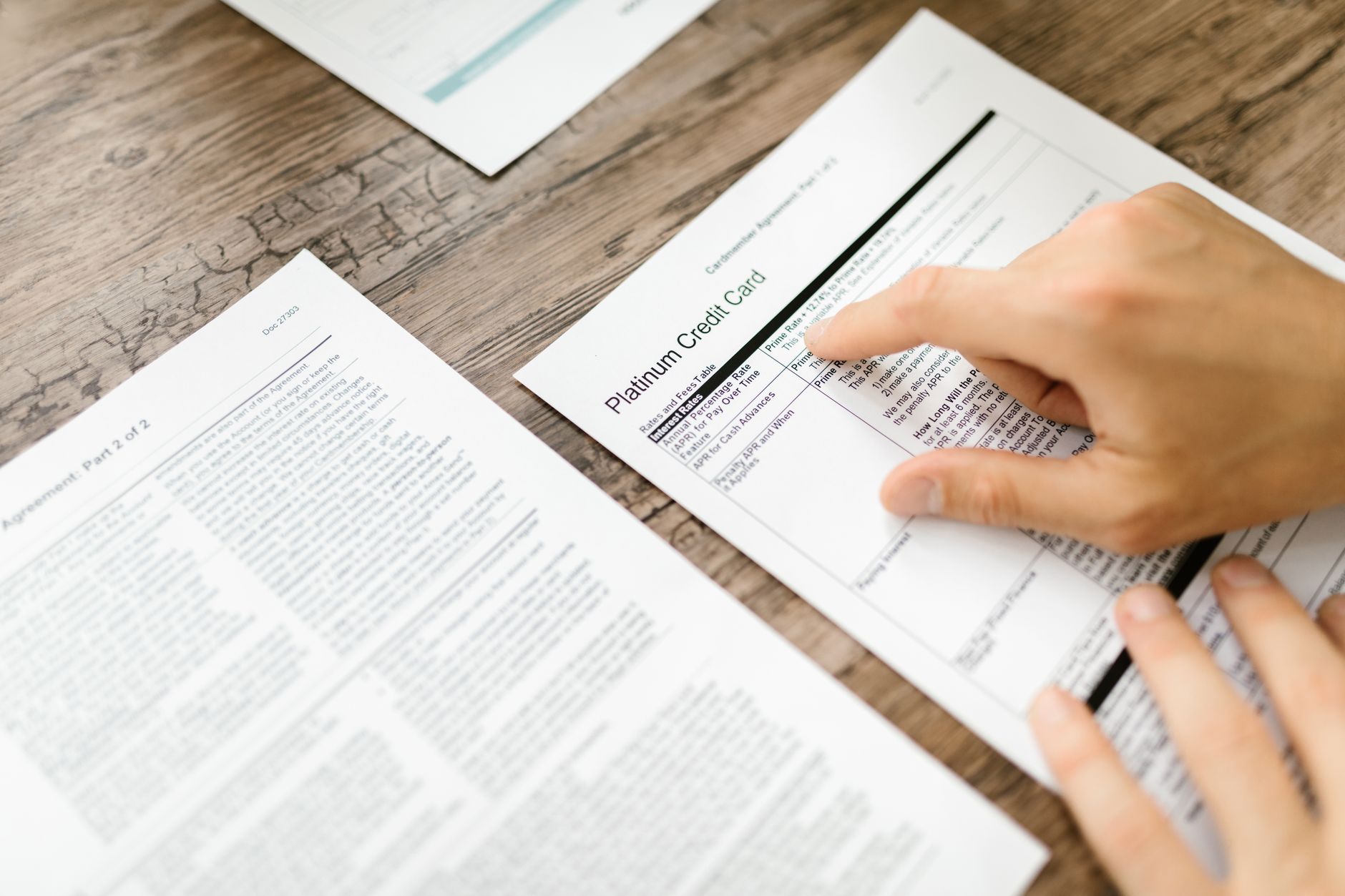
Traditional banks often charge a $12 to $15 monthly maintenance fee unless you meet balance or direct‑deposit requirements, while many online banks waive the fee entirely. In 2025 Bankrate found the average monthly fee at the ten largest brick‑and‑mortar banks was $13.50, compared with $0 for the top online‑only institutions.
Overdraft fees tell a similar story. The same Bankrate data shows an average overdraft charge of $35 at major traditional banks versus $0 at several online banks that simply decline the transaction. If you occasionally dip below zero, those fees can add up to hundreds of dollars a year.
ATM access is another cost factor. Large networks like Allpoint give online‑bank customers fee‑free withdrawals at 55,000 locations, while many traditional banks charge $2–$3 per out‑of‑network use. Checking the ATM locator before you travel can save you a surprising amount.
Which Bank Type Offers Higher Interest Rates?
If you saved $200 per month for five years at a 4.5% APY compounded monthly, you would end up with about $13,600, whereas the same habit at 0.5% yields only $12,300—a $1,300 gap created solely by the rate difference.
Higher rates also accelerate emergency‑fund growth. Ask yourself whether the convenience of a nearby branch outweighs the extra $1,300 you could earn on a modest savings plan.
How Easy Is It to Access Your Money?

Both bank types let you move money electronically, but online banks usually process ACH transfers in one business day while some traditional banks still take two to three days for the same request. In 2025 the Federal Reserve reported that 87% of households used online or mobile banking for at least one transaction.
Physical branches still matter for cash deposits, safe‑deposit boxes, and in‑person notarizations. If you regularly handle large amounts of cash, a local branch can save you a trip to a third‑party deposit service that charges 1% or more.
Many online banks now partner with retail chains to offer cash‑deposit kiosks, narrowing the gap. Have you checked whether your online bank’s network covers a location near you?
What About Customer Service and Support?
If you call a traditional bank’s 800 number and wait an average of 12 minutes, that’s 60 minutes a month for five calls. An online bank’s chat bot often resolves the same issue in under three minutes, saving you nearly an hour each month.
Still, complex issues like wire‑transfer disputes or estate‑account paperwork may benefit from a face‑to‑face meeting. Consider keeping a small relationship with a local branch for those rare occasions while using an online bank for day‑to‑day banking.
Do Online Banks Have Better Technology and Tools?

Online banks invest heavily in apps that categorize spending, set savings goals, and automate round‑up transfers. In 2025 Bankrate noted that 78% of online‑bank users rated their mobile app as very useful, while only 54% of traditional‑bank users said the same about their legacy apps.
Features like instant card lock, virtual card numbers, and real‑time alerts give you tighter fraud control. Traditional banks are adding similar tools, but the rollout is often slower because of legacy core systems.
If you love experimenting with budgeting widgets, an online bank’s sandbox environment lets you test new features without risk. Would you rather wait years for your branch to catch up?
How Do You Decide Which Bank Fits Your Goals?
Choosing comes down to matching your habits: high‑yield savers and tech‑comfortable users usually win with an online bank, while frequent cash depositors or people who value in‑person advice may prefer a traditional branch. A simple checklist—rates, fees, access, support—clarifies the trade‑off in minutes.
Run the numbers for your own balance. If you keep $25,000 in savings, the 4% APY gap translates to $1,000 more interest each year—enough to fund a weekend getaway.
Don’t forget to read the fine print on fee waivers and ATM networks before you switch. A quick call to the bank’s support line can confirm the details you need.
Frequently Asked Questions

Below are the most common questions readers ask about online versus traditional banking, each answered in under a minute.
Are online banks FDIC insured?
Yes, any online bank that displays an FDIC certificate number provides the same $250,000 per depositor coverage as a brick‑and‑mortar institution.
Do online banks charge monthly fees?
Most online‑only banks waive monthly maintenance fees entirely, while many traditional banks charge $12‑$15 unless you meet balance requirements.
Which type usually offers higher savings rates?
Online banks consistently pay higher APYs; in 2025 the average online savings rate was 4.5% versus 0.5% at traditional banks.
Can I deposit cash at an online bank?
Many online banks partner with retail networks for fee‑free cash deposits, but availability varies by location.
Is customer service worse at online banks?
Surveys show online‑bank support scores are comparable to or slightly better than traditional banks, though complex issues may still benefit from in‑person help.
Conclusion
- Online banks match traditional banks on FDIC safety while delivering far higher yields.
- Fees, ATM access, and tech tools often favor digital‑first institutions.
- Keep a local branch only if you need regular cash handling or face‑to‑face advice.
Sources
- FDIC – Deposit Insurance – retrieved 2026-09-17 – https://www.fdic.gov/deposit-insurance
- Bankrate – Savings Account Rates – retrieved 2026-09-17 – https://www.bankrate.com/banking/savings/rates/
- NerdWallet – Online Banking Trust Survey – retrieved 2026-09-17 – https://www.nerdwallet.com/
- Federal Reserve – Economic Well-Being of U.S. Households – retrieved 2026-09-17 – https://www.federalreserve.gov/publications/report-economic-well-being-us-households.htm
This article is for educational purposes only and does not constitute financial advice. Investing involves risk, including loss of principal.