In 2023, the average American earned only about $300 in cash back rewards, leaving hundreds of dollars on the table each year (NerdWallet, 2023). At the same time, credit card annual percentage rates (APR) have climbed above 20%, making interest charges a real threat if balances aren’t paid in full. The good news is that you don’t need to change your lifestyle to earn more—you just need to align the right cards with your spending habits, avoid interest, and stack rewards where possible. This guide walks you through practical, beginner‑friendly steps to turn everyday purchases into meaningful cash back, while keeping your credit score healthy.
Key Takeaways
– In 2023, 60% of credit card holders earned cash back rewards on at least one card (Federal Reserve, 2023).
– In 2023, the average American held 3.8 credit cards (Experian, 2023).
– In 2023, 55% of credit card holders paid their balance in full each month to avoid interest (Federal Reserve, 2023).
How Does Cash Back Actually Work?
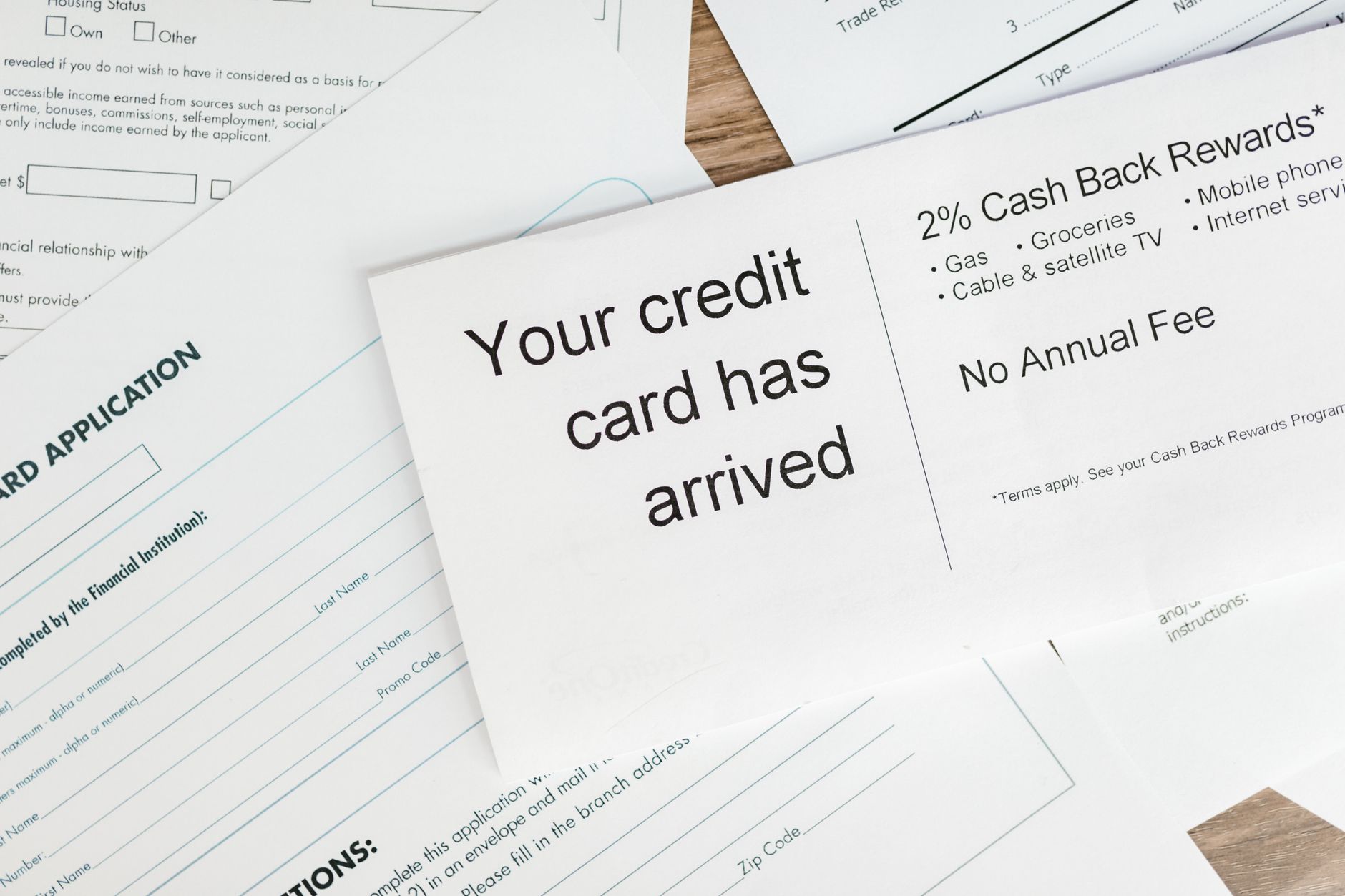
Cash back is a rebate that returns a percentage of your purchase amount as a statement credit, direct deposit, or gift card. Most flat‑rate cards give about 1.5 % back on every purchase, while tiered cards often offer 3 % on groceries, 2 % on gas, and 1 % on everything else (NerdWallet, 2024). In 2023, the average credit card APR was 16.3 % in 2022, rose to 20.4 % in 2023, and remained near 20.5 % in 2024 (Federal Reserve, 2024).
When you spend $1,000 on a flat‑rate 1.5 % card, you earn $15 back. If you instead use a tiered card that pays 3 % on groceries and you spend $500 on groceries, you earn $15 from that category alone. The key is matching the card’s bonus categories to where you actually spend money.
Because cash back is earned on the net purchase amount after returns, you’ll want to keep receipts for any items you return so the rebate isn’t clawed back. Many issuers also place an annual cap on bonus‑category earnings—for example, 3 % cash back on groceries up to $6,000 per year, after which the rate drops to 1 %. Knowing these limits helps you plan larger purchases without losing the higher rate.
If you spend $2,000 per month on groceries and use a card that offers 3 % cash back on that category, you’ll earn $720 per year just from grocery purchases ($2,000 × 0.03 × 12). Combine that with a flat‑rate 1.5 % card on the remaining $1,000 of monthly spending, and you add another $180 annually ($1,000 × 0.015 × 12). Together, that’s $900 in cash back—triple the average $300 many consumers leave on the table.
Which Everyday Categories Offer the Highest Cash Back Rates?
Groceries, gasoline, and dining out consistently rank among the top categories for elevated cash back rates. Many issuers offer 3 % back on groceries, 2 %–3 % on gas, and 2 % on dining, while a flat‑rate card might only give 1.5 % on all other purchases. In 2023, the average U.S. household spent about $5,000 on groceries, $2,000 on gasoline, and $3,000 on dining out (BLS, 2023).
If you concentrate your spending in these high‑yield areas with the right card, you can dramatically increase your earnings without spending more. For example, using a 3 % grocery card on $5,000 of annual grocery spend yields $150 back, whereas a 1.5 % flat‑rate card would give only $75 on the same amount.
Some cards rotate bonus categories quarterly (e.g., 5 % on groceries for Jan‑Mar, then 5 % on gas for Apr‑Jun). To benefit, you need to activate the category each quarter and keep track of the calendar. Missing an activation window means you’ll earn the base rate instead of the bonus.
How Can You Stack Cash Back with Other Rewards Programs?

Stacking means combining cash back from your credit card with retailer loyalty programs, manufacturer coupons, or cash‑back apps like Rakuten or Ibotta. Because these discounts are applied before the card transaction, you still earn cash back on the final purchase amount, effectively multiplying your savings.
For instance, if you use a 20 % off manufacturer coupon on a $100 grocery item, you pay $80. With a 3 % cash back card, you earn $2.40 back—still based on the $80 you actually spent. Adding a store loyalty point that gives you $1 off brings your out‑of‑pocket cost to $79, while the card still awards cash back on $80 (the amount before the loyalty discount, depending on the issuer’s policy). Always check whether the issuer counts loyalty discounts as part of the purchase amount.
Another stacking tactic is to pair a cash back card with a retailer‑specific card that offers extra rewards only at that store. Use the retailer card for the purchase to earn its bonus, then immediately pay the balance with your cash back card to avoid interest and still earn the cash back on the same transaction. This works best when you can pay off the retailer card in full each month.
What Are the Best Strategies to Avoid Interest While Maximizing Rewards?

The single most effective way to avoid interest is to pay your statement balance in full every month. When you carry a balance, the accrued interest can quickly outweigh any cash back you’ve earned—especially with APRs above 20%. Setting up automatic payments for the full statement balance eliminates the risk of forgetting a due date.
If you ever need to finance a large purchase, consider using a card with a 0 % introductory APR offer for purchases. These promotions typically last 12‑18 months, allowing you to pay off the balance interest‑free during the intro period. Just be sure to have a repayment plan that clears the balance before the regular APR kicks in.
Finally, monitor your credit utilization—the ratio of your balances to your credit limits. Keeping utilization below 30 % helps maintain a good credit score, which in turn qualifies you for the best cash back cards with the lowest fees and highest earning rates.
How to Choose the Right Cash Back Card for Your Spending Habits?
Start by reviewing your past three months of spending and categorize each transaction (groceries, gas, dining, utilities, entertainment, etc.). Identify which categories make up the largest share of your budget; those are where you’ll want the highest earning rates.
Next, look for a card that offers strong cash back in those top categories without an annual fee that outweighs the benefits. For example, if groceries represent 40 % of your spend, a card with 3 % back on groceries and no annual fee may beat a card with 5 % back but a $95 fee unless you spend enough to justify the cost.
Finally, consider the card’s redemption flexibility. Some cards let you deposit cash back directly into a bank account, while others issue statement credits or gift cards. Choose the option that aligns with how you prefer to use the rewards—whether that’s boosting your emergency fund or offsetting specific bills.
What Mistakes Should Beginners Avoid When Chasing Cash Back?
One common mistake is chasing high bonus categories without activating them each quarter, which leaves you earning the base rate instead of the advertised bonus. Another is overspending just to hit a spending‑threshold bonus; the extra purchases often cost more than the reward you receive.
Many beginners also forget to pay the balance in full, letting interest charges erase their cash back gains. With average APRs above 20 %, even a small carried balance can negate months of rewards in a single billing cycle.
Lastly, neglecting to track annual caps on bonus‑category earnings can lead to missed opportunities. If a card limits 3 % cash back on groceries to $6,000 per year, any spending beyond that earns only 1 %, so plan large grocery trips accordingly.
How to Track and Redeem Your Cash Back Earnings Effectively?
Set up a simple spreadsheet or use a budgeting app to log each card’s cash back earnings by category and month. This makes it easy to spot when you’re approaching an annual cap or when a quarterly bonus category is about to change.
When your cash back balance reaches a meaningful threshold—say $25 or more—redeem it as a statement credit to immediately lower your outstanding balance. This reduces the amount on which interest could accrue and keeps your utilization low.
If you prefer to save the rewards, opt for direct deposit into a high‑yield savings account. Even a modest 2 % APY on $500 of cash back adds $10 per year, turning your rewards into a small but steady passive income stream.
Frequently Asked Questions
Do I need excellent credit to qualify for a good cash back card?
Not necessarily. Many cash back cards are available to consumers with fair credit (scores in the mid‑600s), though the top‑tier offers with no annual fee and high bonus rates usually require a score of 700 or higher. If your score is lower, start with a secured or student‑focused cash back card to build credit while earning rewards, then upgrade later.
Is it worth paying an annual fee for a cash back card?
It can be, but only if the extra rewards you earn exceed the fee. For example, a $95 fee is justified if you earn at least $95 more in cash back than you would with a no‑fee alternative. Calculate your expected annual earnings based on your spending habits before deciding.
Can I lose my cash back rewards if I return a purchase?
Yes. Most issuers deduct the cash back associated with a returned item from your rewards balance. Keep your receipt and initiate the return promptly so the adjustment appears on your next statement and doesn’t surprise you later.
How often should I review my cash back strategy?
At least once a quarter, or whenever you notice a major shift in your spending (e.g., a new job, a move, or a change in household size). Quarterly reviews let you activate rotating bonus categories, adjust for annual caps, and ensure your cards still match your spending patterns.
Conclusion
- Match your card’s bonus categories to your top spending areas to maximize earnings.
- Pay your statement balance in full each month to avoid interest that can wipe out rewards.
- Track earnings, watch for annual caps, and redeem cash back regularly to keep your utilization low.
Sources
- Federal Reserve. Report on the Economic Well‑Being of U.S. Households. Retrieved 2026-10-09. https://www.federalreserve.gov/publications/report-economic-well-being-us-households.htm
- Experian. State of Credit Report. Retrieved 2026-10-09. https://www.experian.com/blogs/ask-experian/”>https://www.experian.com/blogs/ask-experian/
- NerdWallet. Cash Back Credit Cards Overview. Retrieved 2026-10-09. https://www.nerdwallet.com/
- Bureau of Labor Statistics. Consumer Expenditure Survey. Retrieved 2026-10-09. https://www.bls.gov/cex/
- Federal Reserve. Selected Interest Rates (H15). Retrieved 2026-10-09. https://www.federalreserve.gov/releases/h15/
This article is for educational purposes only and does not constitute financial advice. Investing involves risk, including loss of principal.