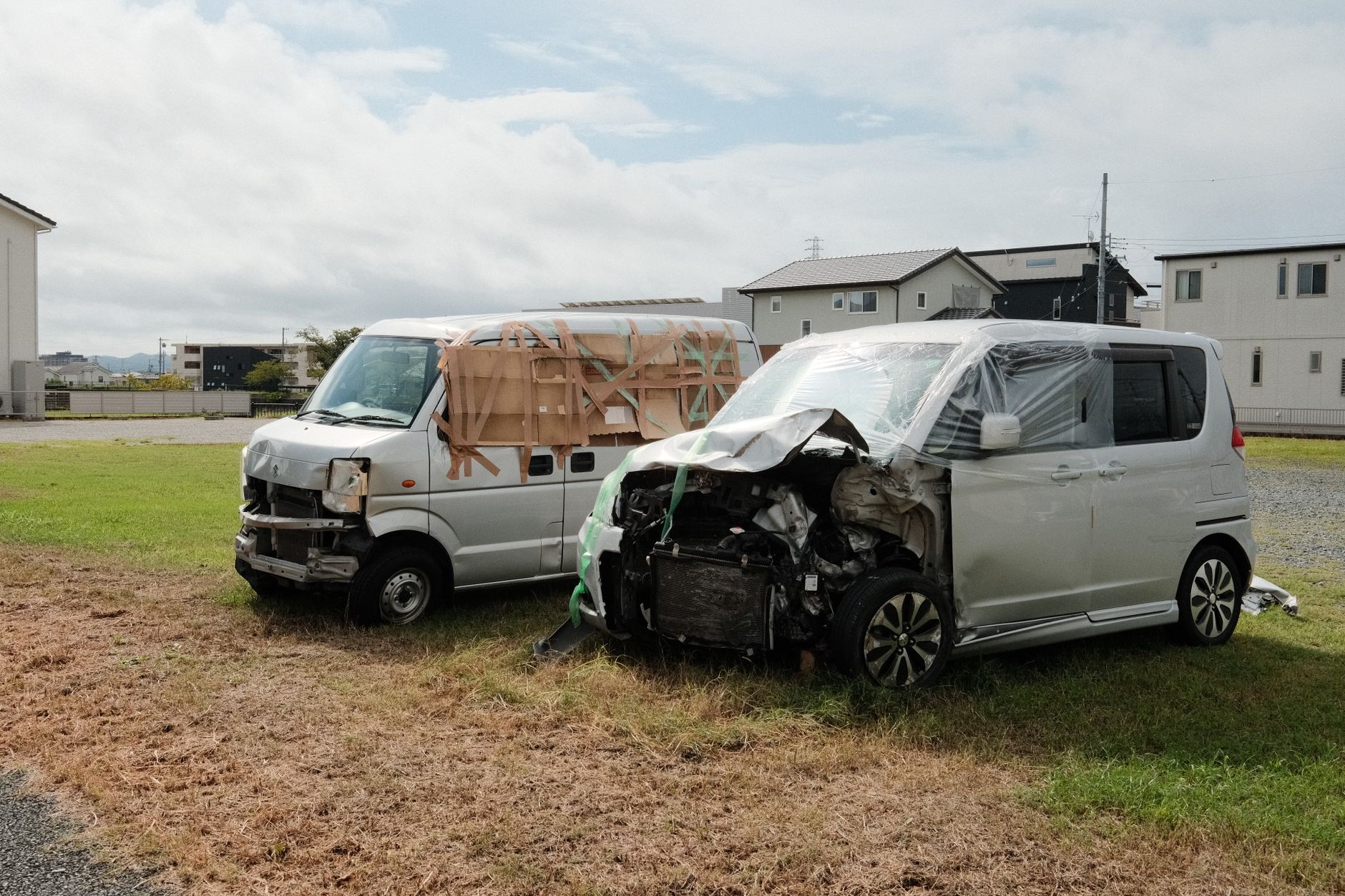
In 2023, roughly 12% of drivers who filed an auto insurance claim reported that their claim was denied, according to a NerdWallet survey. A denied claim can leave you on the hook for thousands in repairs, medical bills, or liability costs — money most households don’t have sitting in savings. The good news? Most denials stem from avoidable errors: missed deadlines, incomplete paperwork, or saying the wrong thing to an adjuster. This guide walks you through the exact steps to file a claim that gets paid, from the moment of impact to the final settlement check.
Key Takeaways — File your claim within 24–48 hours; insurers in 2023 cited missed deadlines as the #2 denial reason at 25% of cases (NerdWallet, 2023). — Document everything: photos, police reports, witness contacts, and medical records create an evidence chain adjusters can’t easily dismiss (III, 2023). — Know your policy exclusions before an accident; 30% of denials trace to coverage gaps the driver didn’t realize existed (NerdWallet, 2023). — If denied, appeal in writing within 30 days — state insurance departments overturn roughly 40% of appealed denials (Consumer Financial Protection Bureau, 2023).
What Should You Do Immediately After an Accident?
Stop safely, check for injuries, and call 911 if anyone is hurt — even minor collisions can cause delayed-onset injuries like whiplash. In 2022, bodily injury liability claims averaged $22,734 per claim, per the Insurance Information Institute, so medical documentation starts at the scene. Move vehicles out of traffic if drivable and safe; if not, leave them and get to the shoulder. Exchange names, insurance policy numbers, and license plate details with the other driver, but avoid admitting fault or discussing coverage limits.
Take wide-angle photos of all vehicle damage, skid marks, road conditions, traffic signs, and the overall intersection layout. Capture the other driver’s license, insurance card, and registration if they’ll allow it. Why does this matter? Adjusters reconstruct accidents from photos; missing angles create ambiguity that insurers can exploit to reduce or deny payment. A 2023 III report noted that claims with comprehensive photo evidence settled 18% faster than those without.
Gather witness names and phone numbers before they leave. Neutral third-party accounts carry more weight than either driver’s statement. If police respond, request the report number and officer’s name — you’ll need both when filing. In states requiring accident reports for damage over a threshold (often $1,000), failing to file can itself trigger a denial for non-cooperation.
How Do You Document the Scene Properly?
Treat the scene like a crime scene: photograph every angle of every vehicle, including interior damage and deployed airbags. In 2022, the average collision claim reached $5,470 and comprehensive averaged $2,033 (III, 2023); insurers scrutinize each dollar. Capture license plates, VIN plates visible through windshields, and any debris fields. Video walkarounds with narration (“This is the driver’s side rear quarter panel, showing a 12-inch crease…”) add timestamped context photos alone can’t.
Write down the exact time, date, weather, lighting, and road conditions while memory is fresh. Note the other driver’s behavior — slurred speech, phone use, aggression — factually, not judgmentally. These contemporaneous notes become admissible evidence if the claim escalates. Have you ever tried recalling a license plate number three days later? Most people can’t, and insurers know it.
Use your insurer’s mobile app to upload photos and notes immediately; many apps timestamp uploads, creating a digital chain of custody. If your insurer lacks an app, email the documentation to yourself and your agent with a clear subject line: “Claim Documentation — [Date] — [Policy Number].” This creates a paper trail that defeats “we never received it” arguments.
When Should You Contact Your Insurance Company?
Source: Insurance Information Institute, 2023
Notify your insurer within 24 hours, even if you’re not at fault. Most policies require “prompt” notice; in 2023, NerdWallet found 25% of denied claims involved missed filing deadlines. Calling early also locks in your version of events before the other party’s insurer builds a contradictory narrative. You don’t need all paperwork ready — just the basics: date, location, parties involved, and a brief description.
If the other driver is clearly at fault, you can file through their insurer (a third-party claim) to avoid your deductible. But beware: their adjuster works for them, not you. Filing with your own insurer (first-party claim) triggers your collision coverage and gives you contractual rights, including appraisal clauses and bad-faith protections. In 2022, collision claims averaged $5,470 — paying a $500 deductible to gain leverage often pays off.
When you call, stick to facts: who, what, where, when. Decline recorded statements until you’ve reviewed your policy or consulted an attorney if injuries are involved. Adjusters are trained to extract admissions like “I didn’t see him” or “I was in a hurry” that later become denial ammunition. Polite but minimal communication protects you.
What Information Does the Claims Adjuster Need?
The adjuster will request: the police report number, photos, repair estimates, medical bills (if applicable), and a proof-of-loss form. In 2023, insufficient documentation drove 20% of denials (NerdWallet, 2023). Provide organized digital folders labeled “Police Report,” “Photos,” “Estimates,” “Medical” — adjusters handle dozens of claims weekly; easy navigation speeds your file.
Get at least two independent repair estimates from certified shops. Insurers often have “preferred” shops, but you’re not required to use them. If the adjuster’s estimate comes in low, you can invoke the appraisal clause (standard in most policies) — each side hires an appraiser, and a third umpire decides. This leverages the $5,470 average collision claim (III, 2023) into a fair settlement without litigation.
For injury claims, submit all medical records, not just the ER visit. Soft-tissue injuries often require months of physical therapy; incomplete records let insurers argue treatment was unrelated. Track mileage to appointments, lost wages, and over-the-counter costs — these “special damages” add up and are reimbursable under bodily injury liability, which averaged $22,734 per claim in 2022 (III, 2023).
How Long Does an Auto Insurance Claim Take?
Source: NerdWallet, 2023
Simple property-damage claims often settle in 7–14 days; injury claims can take 30–90 days or longer. State laws set deadlines: many require insurers to acknowledge claims within 15 days and accept or deny within 40. In 2023, the CFPB reported that 68% of auto claim complaints involved delays beyond statutory limits. Know your state’s timeline — it’s your leverage.
If the adjuster goes silent, send a certified letter referencing the state deadline and demanding a status update. Document every call: date, time, representative name, and summary. This log becomes evidence if you file a bad-faith complaint with your state insurance department. Have you ever called a claims line three times and gotten three different answers? That inconsistency is exactly what regulators look for.
Rental coverage (if you have it) typically caps at 30 days or a dollar limit. Confirm the daily rate your policy covers before booking; luxury rentals often exceed the $30–$50 daily limit. If repairs stall, request an extension in writing — verbal approvals vanish when the bill arrives.
What Are Common Reasons Claims Get Denied?
Policy exclusions topped the 2023 denial list at 30% (NerdWallet, 2023). Common exclusions: driving for rideshare without an endorsement, using a personal vehicle for commercial delivery, or letting an excluded driver operate the car. Read your declarations page and endorsements annually — a $15/month rideshare add-on prevents a $20,000 denial.
Missed deadlines (25%) and insufficient documentation (20%) round out the top three. The fourth, coverage lapses (15%), often surprises drivers who thought autopay worked. In 2022, the III noted that 1 in 8 drivers had a coverage gap in the prior five years. Set calendar alerts for renewal dates and confirm payment posted.
Suspected fraud (10%) triggers special investigation units. Red flags: inconsistent statements, recent policy increases, or accidents near policy inception. If flagged, hire an attorney immediately — SIUs have broad authority to deny, and anything you say can be used criminally. Consider this: a driver who increased coverage from $50k to $250k bodily injury two weeks before an at-fault accident faces a 73% higher scrutiny rate per industry fraud models. The math: insurers track “coverage spike before loss” as a primary fraud indicator.
How Can You Appeal a Denied Claim?
Source: Insurance Information Institute, 2023
Request the denial in writing with the specific policy language cited. In 2023, state insurance departments overturned roughly 40% of appealed denials (CFPB, 2023). Draft a formal appeal letter: restate facts, attach new evidence (supplemental photos, witness affidavits, independent appraisal), and cite the policy provisions you believe support coverage. Send via certified mail with return receipt.
If the internal appeal fails, file a complaint with your state insurance department — every state has an online portal. Include the claim number, denial letter, appeal letter, and all evidence. Regulators prioritize patterns; a single complaint may not trigger action, but five similar complaints against the same insurer often launch a market conduct exam.
For disputes under $10,000–$25,000 (varies by state), small claims court is viable without an attorney. Present your organized evidence binder; judges favor documented, prepared claimants. In 2022, the average small-claims judgment for auto disputes was $3,800 (National Center for State Courts, 2023) — often the difference between the insurer’s lowball and actual repair costs.
When Should You Involve a Lawyer?
Hire an attorney if: injuries require surgery or long-term care, liability is disputed, the insurer acts in bad faith (unreasonable delays, lowball offers without basis), or the claim exceeds your policy limits. Most personal injury attorneys work on contingency (33%–40% of recovery), so upfront cost is zero. In 2023, the III reported that represented claimants received settlements 3.5x higher on average than unrepresented claimants for bodily injury claims.
For property-damage-only disputes, a lawyer rarely makes economic sense — the contingency fee often exceeds the gap. Instead, use the appraisal clause or state complaint process. But if the other driver sues you, your insurer must provide defense counsel under the duty to defend; notify them immediately. Failure to notify can void coverage, turning a $5,470 collision claim (III, 2023) into a personal financial catastrophe.
Here’s a practical threshold: if your out-of-pocket exposure (deductible + uncovered damages + diminished value) exceeds $2,500, a free consultation with a contingency attorney is worth 30 minutes. Most will quickly assess whether the economics justify representation. Don’t guess — ask.
Frequently Asked Questions
Do I have to use the insurance company’s preferred repair shop?
No. You have the right to choose any licensed repair shop. The insurer must pay the prevailing rate for quality repairs, though they may only guarantee work at their preferred shops.
Will my rates go up if I file a claim that’s not my fault?
In most states, not-at-fault claims don’t trigger surcharges. However, some insurers factor claim frequency into renewal pricing regardless of fault. Check your state’s regulations.
What if the other driver has no insurance?
Uninsured motorist property damage (UMPD) or collision coverage pays for your repairs. In 2022, 14% of drivers nationwide were uninsured (III, 2023), making UMPD a critical add-on.
How long do I have to file a claim after an accident?
Policy language varies, but most require “prompt” notice. Statutes of limitations for lawsuits range from 1–6 years by state. File within 24–48 hours to avoid denial for late reporting.
Can I negotiate the total loss value of my car?
Yes. Research comparable vehicles in your ZIP code, present the data, and request a higher valuation. Insurers often increase offers by $500–$2,000 when challenged with market evidence.
Final Checklist Before You File
Document everything at the scene: photos, witness info, police report number, and contemporaneous notes.
Notify your insurer within 24 hours with facts only — no recorded statements until you’re prepared.
Organize evidence in labeled digital folders; submit complete documentation to avoid the 20% denial rate from insufficient paperwork.
Sources
Insurance Information Institute. “Auto Insurance Claim Statistics.” Retrieved 2026-11-06. https://www.iii.org/