Did you know that according to a landmark study, nearly one-third of young adults are financially illiterate, costing them thousands of dollars in avoidable fees and interest charges annually? Teaching children about finances early is one of the most powerful gifts a parent can provide. Yet, many parents feel unprepared to tackle this subject, worrying they might pass on their own money anxieties. This guide breaks down financial education into simple, age-appropriate milestones that any family can implement. By matching lessons to your child’s cognitive development, you can make money conversations a natural, stress-free part of everyday life. You will learn how to transition your child from simple coin recognition to managing their first bank account, setting them up for a lifetime of financial independence and security.
Key Takeaways
– Early exposure matters: Children develop core money habits, like delayed gratification, by age five (CFPB, 2025).
– Visual savings work: Talking openly about financial goals makes kids 53% more likely to save their own money (T. Rowe Price, 2025).
– Real experience counts: Opening a joint checking account in high school helps 94% of teens maintain healthy banking habits as adults (FDIC, 2026).
– Digital tools boost savings: Kids who use modern financial apps save an average of $125 more per year than those using traditional piggy banks (Greenlight, 2026).
Why is early financial literacy so important?
In 2025, a comprehensive study by the National Endowment for Financial Education (NEFE) revealed that 88% of US adults believe personal finance education should be mandatory in high school. This overwhelming consensus highlights how early exposure to financial concepts prevents expensive mistakes in early adulthood.
When we shield kids from money discussions, we don’t protect them; we leave them to learn through trial and error. Think about the first time you had to manage a paycheck or pay a credit card bill. Wouldn’t it have been easier if someone had explained those concepts before the stakes were so high? Talking openly about money builds curiosity rather than anxiety.
Financial ignorance has a steep price tag that follows young adults for years. When teenagers enter the real world without basic money skills, they often fall into high-interest debt traps. By starting early, we give them the confidence to build credit responsibly and make informed decisions about their earnings.
How do you teach money basics to preschoolers (Ages 3–5)?

In 2025, researchers at the Consumer Financial Protection Bureau (CFPB) confirmed that children form basic money habits, such as self-control and planning, by age five. Introducing tangible coins and basic counting at this stage establishes the cognitive framework necessary for future savings habits.
At this age, money is an abstract concept. Preschoolers see you tap a piece of plastic or wave your phone, and magic items appear. They don’t naturally connect the tap to a limited resource. To make it real, use physical cash. Let them hold coins and feel the difference between shiny pennies and silver quarters.
How can you make this fun? Play “grocery store” at home using play money. Assign prices to their toys and let them buy items from you. This simple game teaches them that items have different values and that money is exchanged for goods. It’s a simple, active way to build foundational math and economic skills.
How do early elementary kids (Ages 6–9) learn to save?
In 2025, a national survey by T. Rowe Price found that 53% of parents who discuss savings goals with their young children see them successfully save their own money. Introducing visual savings goals during early elementary school bridges the gap between earning and delayed gratification.
This is the perfect age to replace the traditional piggy bank with three clear jars labeled: Save, Spend, and Give. Why clear jars? Because seeing the physical pile of coins grow provides immediate positive reinforcement. When they receive an allowance or birthday money, encourage them to distribute it across the jars.
Let’s look at a practical example of this in action. If your eight-year-old receives a weekly allowance of $5 and puts $2.50 into their Save jar, they will have $130 in one year. If you help them deposit this money into a high-yield savings account earning 4.5% APY, they will earn an extra $3 in interest by the end of the year. This small bonus shows them how money can grow on its own.
How do middle schoolers (Ages 10–13) master budgeting?

In 2025, a report by the National Council on Economic Education (NCEE) showed that middle schoolers who receive basic budgeting instruction improve their financial comprehension scores by 24%. At this age, children can transition from simple physical jars to digital trackers to manage their weekly spending.
Middle schoolers understand that money is limited, but they often struggle with opportunity cost. If they spend $20 on a new video game cosmetic, they won’t have that money for pizza with friends on Friday. Help them see these trade-offs by introducing them to a basic budget tracking system.
This is where saving for larger goals becomes exciting. Suppose your child wants a $200 video game console. Instead of buying it for them, help them set up a dedicated savings bucket. You can read more about how sinking funds prevent debt to understand this concept deeply. If they save $15 a week from chores or odd jobs, it will take them exactly 14 weeks to buy the console themselves. The pride they feel when purchasing it with their own money is priceless.
How do high schoolers (Ages 14–18) prepare for real-world banking?
In 2026, data from the Federal Deposit Insurance Corporation (FDIC) indicated that 94% of teenagers who open a co-signed checking account maintain a positive banking relationship into adulthood. Giving high schoolers hands-on experience with debit cards and online banking prevents overdraft surprises later.
High school is the final dress rehearsal before adulthood. This is the time to open a joint checking and savings account. Teach them how to monitor their balance online, deposit checks using a smartphone app, and understand the difference between pending transactions and settled balances.
This is also an excellent window to teach them about credit. If they are 18, they can start building credit with a secured card. Suppose they spend just $20 a month on a subscription service and pay the balance in full every month. Within 12 months, they can establish a FICO score above 720 without ever paying a cent of interest. You can read our guide on how to build credit from scratch to help them start this journey safely.
Should allowance be tied to household chores?
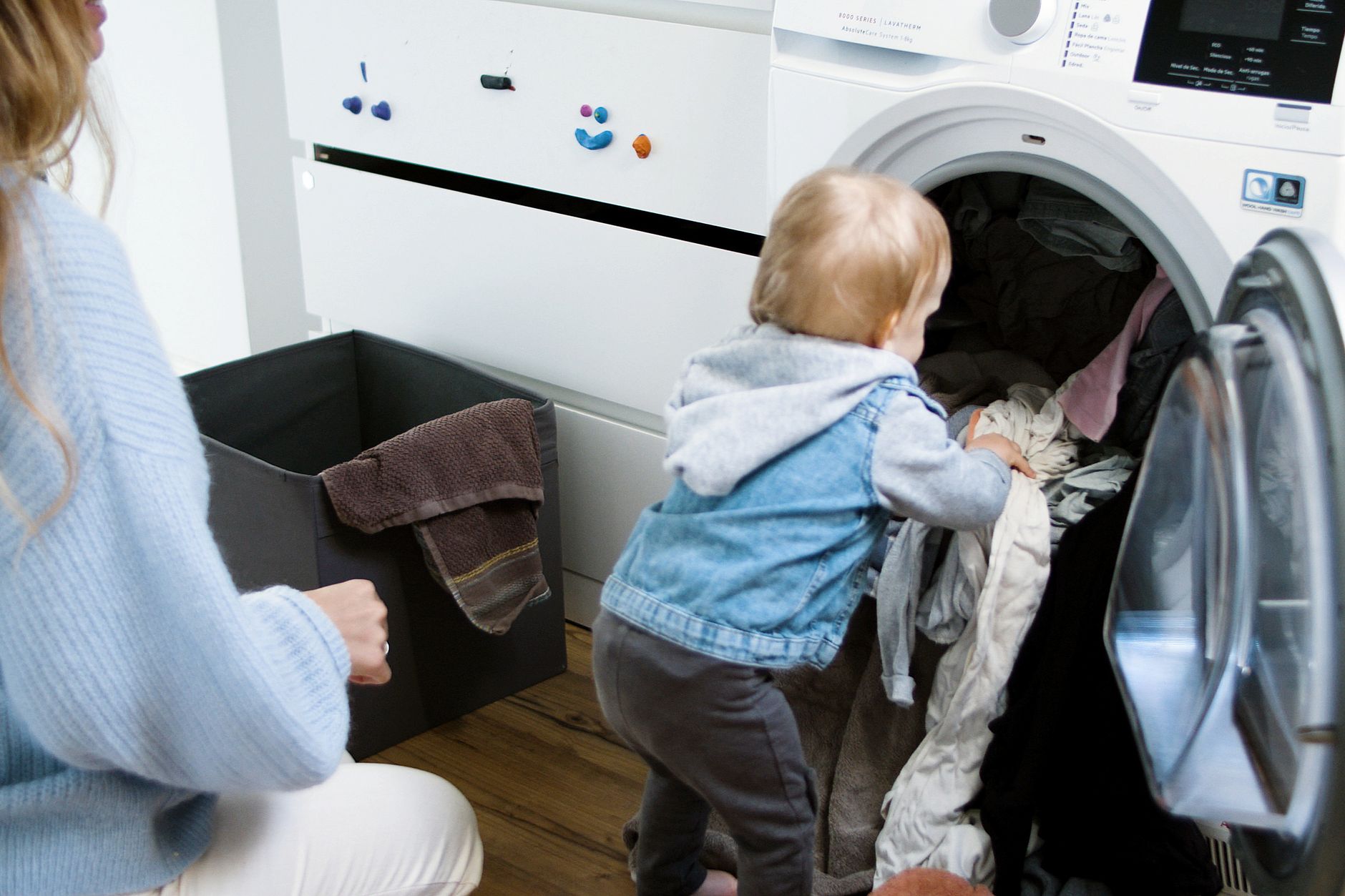
In 2025, a national poll by the American Institute of CPAs (AICPA) revealed that 85% of parents pay an allowance, but only 15% tie that allowance to chores. This disparity suggests that separating basic citizenship duties from financial compensation creates a healthier relationship with work.
When you tie allowance entirely to chores, you risk creating a transactional household. What happens when your teenager decides they don’t need money this week and refuses to clean their room? Chores should be divided into two categories: citizen duties and extra opportunities.
Citizen duties, like making their bed or washing their own dishes, are expected because they are part of the family. Extra opportunities, like washing the car or pulling weeds in the garden, can earn them money. This structure teaches them that basic responsibilities are unpaid, but extra effort leads to extra financial rewards.
How can parents use modern digital money apps?
In 2026, a market analysis by financial technology firm Greenlight reported that active users of youth banking apps save an average of $125 more annually than those using traditional piggy banks. Digital tools offer real-time tracking that resonates with modern, tech-savvy children.
As physical cash becomes less common, digital banking tools are essential for older kids. Many modern apps allow parents to set up automated allowance transfers, assign chores with dollar values, and monitor spending instantly. They also allow kids to divide their money into virtual savings buckets.
These platforms often include parent-managed interest rates. You can incentivize your kids by offering a parent-paid interest rate of 10% on their savings. It might sound high, but paying them $1 a month on a $10 savings balance is a highly effective way to demonstrate the incredible power of compound interest.
How parents can model healthy financial habits daily

In 2025, a landmark study published by the Journal of Family and Economic Issues found that parental modeling accounts for 60% of a child’s financial attitude in adulthood. Children mimic how parents shop, pay bills, and discuss household financial decisions.
If you constantly stress about money or argue with your spouse about bills, your children will absorb that anxiety. Instead, make money a normal, calm topic of conversation. When you plan a family vacation, involve them in the budgeting process so they see how planning works.
Next time you go grocery shopping, compare unit prices aloud. Show them why buying the larger box is often a better deal per ounce. These small, daily lessons demystify the financial decisions that adults make every day, teaching them to think critically before spending.
How to handle peer pressure and spending habits
In 2025, a youth survey by Junior Achievement found that 52% of teens feel pressure to spend money to fit in with their peers. Teaching teenagers how to resist social spending pressure builds the emotional resilience needed to avoid lifestyle inflation as adults.
Teenagers live in a world of constant comparison, accelerated by social media. They see peers wearing expensive clothes or going on luxury trips, and they want to replicate that lifestyle. Have open conversations about wants versus needs and how social media highlights only the best moments.
Help them establish a 24-hour rule for non-essential purchases over a certain amount. If they still want the item after 24 hours, they can look at their budget to see if they can afford it. This simple pause button helps break the cycle of impulsive buying and encourages thoughtful spending.
Frequently Asked Questions
At what age should I start talking to my child about money?
You should start as early as age three. In 2025, researchers at the University of Wisconsin-Madison found that children can understand basic financial concepts like exchange and value by age three. Starting early prevents future anxiety and builds early confidence.
How much allowance should I give my child?
A common rule of thumb is $0.50 to $1.00 per week per year of age. In 2025, a survey by RoosterMoney showed the average weekly allowance for an eight-year-old was $8.50. Adjust this amount based on your family’s budget and household expectations.
Should I pay my child for getting good grades?
It is generally best to avoid paying for grades. In 2025, a study by the National Bureau of Economic Research (NBER) showed that cash incentives for grades had little to no long-term impact on academic performance. Focus on cultivating intrinsic motivation instead.
Is it safe to give my teenager a debit card?
Yes, if it is a co-signed teen debit card. In 2026, a report by the Consumer Financial Protection Bureau (CFPB) noted that 82% of teen debit cards offer comprehensive parental controls, allowing you to set spending limits and block certain transaction categories instantly.
How do I explain family financial struggles to my kids?
Keep it simple and reassuring. In 2025, a study in the Journal of Child and Family Studies showed that 70% of children feel less anxious when parents explain financial changes honestly rather than hiding them. Reassure them that their basic needs are always safe.
Conclusion
Teaching kids about money is a marathon, not a sprint. By matching your lessons to their developmental age, you take the pressure off yourself and make the learning process natural for them. Remember these three core practices as you guide your children:
- Start early with visual tools: Use physical cash and clear jars for young children to make saving tangible and rewarding.
- Transition to real-world experience: Introduce digital banking, sinking funds, and co-signed debit cards as they reach high school to build real habits.
- Model positive behaviors: Let your kids see you budget, compare prices, and talk about money with calm confidence.
Sources
- National Endowment for Financial Education (NEFE): Public Opinion on Financial Education Survey, retrieved 2026-08-10.
- Consumer Financial Protection Bureau (CFPB): Youth Financial Capability Study, retrieved 2026-08-10.
- T. Rowe Price: Parents, Kids & Money Survey, retrieved 2026-08-10.
- National Council on Economic Education (NCEE): Survey of the States, retrieved 2026-08-10.
- Federal Deposit Insurance Corporation (FDIC): Youth Banking Resource Guide, retrieved 2026-08-10.
- American Institute of CPAs (AICPA): Parents & Money Survey, retrieved 2026-08-10.
- Greenlight: Youth Savings and Technology Trends, retrieved 2026-08-10.
- Journal of Family and Economic Issues: Parental Financial Socialization and Adult Outcomes, retrieved 2026-08-10.
- Junior Achievement: Teens and Personal Finance Survey, retrieved 2026-08-10.
This article is for educational purposes only and does not constitute financial advice. Investing involves risk, including loss of principal.