In late 2025, Freddie Mac reported that the average 30-year fixed mortgage rate hovered around 6.5%, transforming how prospective home buyers approach their financing strategies. With monthly payments at historic highs, many buyers are looking for ways to trim their long-term expenses. One of the most common yet misunderstood tools in the home-buyer toolkit is the purchase of mortgage discount points. By paying an upfront fee to your lender at closing, you can permanently lower your interest rate and secure lower monthly payments. But does this strategy actually save you money in the long run, or does it simply drain your cash reserves when you need them most? In this comprehensive guide, you will learn exactly how mortgage points work, how to calculate your break-even point, and when buying down your rate makes perfect financial sense.
Key Takeaways
– One mortgage point costs 1% of the total loan amount and typically reduces your interest rate by 0.25% (Consumer Financial Protection Bureau, 2026).
– The average break-even period for buying down a mortgage rate ranges between 60 and 72 months (Bankrate, 2026).
– Over 32% of home purchase transactions in recent months included seller concessions, which can be used to fund rate buydowns (National Association of Realtors, 2026).
– If you sell or refinance your home before reaching your break-even month, buying points results in a net financial loss (Mortgage Bankers Association, 2026).
What Are Mortgage Points and How Do They Work?
In 2026, official guidelines from the Consumer Financial Protection Bureau (CFPB) state that mortgage discount points are prepaid interest that borrowers can buy to reduce their loan’s interest rate. Each point costs exactly 1% of your total loan value and typically lowers your rate by 25 basis points.
When you purchase a home, your lender presents options to modify your loan terms. Discount points represent upfront prepaid interest. They differ from origination points, which cover administrative fees. By paying these fees early, you secure a lower rate for the entire thirty-year duration of your mortgage, which can save you tens of thousands of dollars over the lifetime of your loan. Understanding this distinction prevents you from paying unnecessary fees that do not directly lower your lifetime borrowing costs.
Are you comfortable spending more cash upfront to secure long-term relief? It is a trade-off that requires careful math. For a $300,000 loan, one point costs $3,000 and drops your rate by 0.25%. If you are short on closing funds, learning how to stop living paycheck to paycheck helps you build the necessary cash reserves to utilize these long-term savings strategies.
What Is the Upfront Cost of Buying Points?
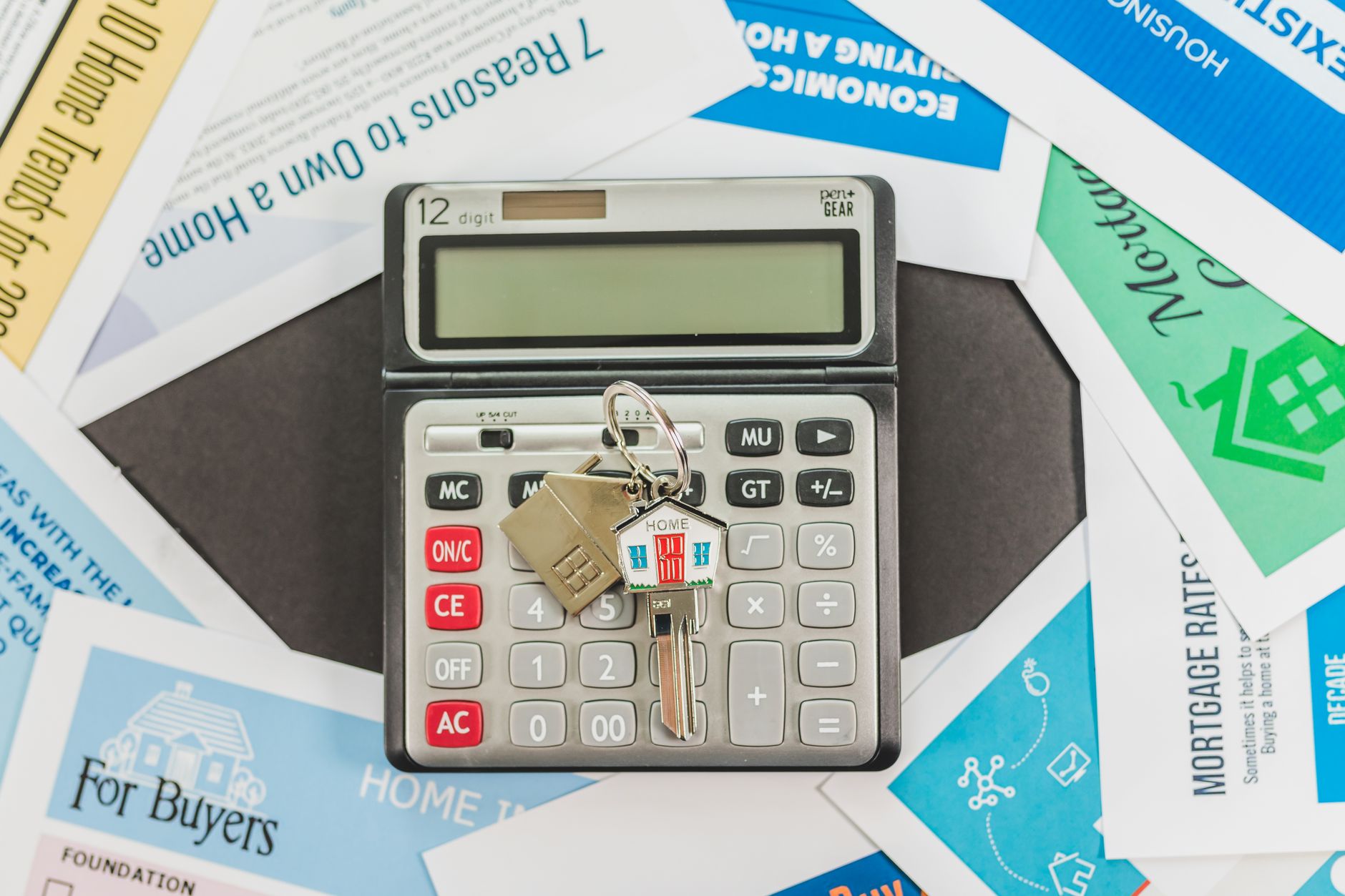
In 2026, market data from Freddie Mac indicates that the median price of a home in the United States is $420,000, which means a buyer securing an 80% loan-to-value mortgage of $336,000 would pay $3,360 for a single discount point.
This upfront fee is not a flat charge. Because it scales directly with your loan amount, a larger mortgage means a higher cash requirement at closing. You must pay this fee alongside your standard closing costs, which often catch first-time buyers off guard. These extra expenses can quickly add up, turning an affordable purchase into a major financial strain if you are not prepared. Before signing, ask your lender for a Loan Estimate form, which clearly details these upfront charges so you can plan your budget accordingly.
Can you afford this upfront cost without draining your primary emergency fund? Depleting your cash reserves to buy down a rate can leave you vulnerable to unexpected home repairs or job transitions. It is vital to maintain a liquid cushion for those first few months of homeownership, ensuring you do not fall back into stressful debt cycles immediately after moving in.
How Do You Calculate the Break-Even Point?
In 2026, financial calculators published by Bankrate show that determining your break-even point requires dividing the total upfront cost of the discount points by the monthly payment savings generated by the lower interest rate, which typically reveals a timeline of 60 to 72 months.
To make an informed choice, you must calculate when your monthly savings will surpass the upfront cost of the points. If you sell or refinance before reaching this milestone, you will have lost money. Many buyers make the mistake of assuming they will stay in their home forever, but unexpected life events can quickly change those plans. A simple mathematical formula can protect you from making a costly emotional decision when buying your first home.
Suppose you take out a $350,000 mortgage at 6.75%, with a monthly payment of $2,270. Buying one point for $3,500 lowers your rate to 6.5%, dropping your payment to $2,212. Saving $58 monthly means you break even in 60.3 months. Will you stay in the home for more than five years to profit? If you sell in year four, you will have thrown away hundreds of dollars.
When Does Buying Down Your Rate Makes Sense?

In 2026, long-term housing data from the Federal Reserve Bank of St. Louis demonstrates that buyers who retain their mortgages for at least seven years realize a 15% to 20% higher return on their upfront point investment compared to traditional low-risk savings accounts.
Buying points makes sense when you plan to stay in your home for a decade or more. If this is your long-term family residence, the lifetime interest savings will dwarf the upfront cost. Additionally, this strategy provides a guaranteed, tax-free return on your money that is incredibly difficult to match in traditional investment markets. This guaranteed return is especially appealing when volatile financial markets make traditional investing feel like a gamble.
If you pay $4,000 upfront to save $75 monthly, you earn a substantial return once you pass the break-even point. If you instead placed that $4,000 into a high-yield savings account or a sinking fund earning 4.5% APY, you would have $5,475 in seven years. But spending it on the point saves you $6,300 over those same seven years, netting you an extra $825. To manage these cash buckets safely, learn how to use sinking funds to avoid debt.
When Should You Avoid Buying Mortgage Points?
In 2026, market research from the Mortgage Bankers Association indicates that approximately 15% of all new mortgage loans are refinanced within 36 months of origination, rendering upfront points a net financial loss for those borrowers who paid fees at closing.
You should avoid buying points if you plan to move within a few years. Starter homes and properties bought by highly mobile professionals rarely justify the upfront expense. If you sell the home in three years, you will never recoup that initial closing cash, turning your attempt at savings into an expensive mistake.
Another major risk is the interest rate cycle. If rates are high but expected to fall, paying for points is a waste of money because you will likely refinance soon. Once you refinance, your old loan and the points you bought disappear completely, leaving you with nothing to show for that upfront cost. Lenders rarely refund prepaid interest, meaning that cash is gone forever once the new loan terms are finalized.
Can You Negotiate Points or Have the Seller Pay?
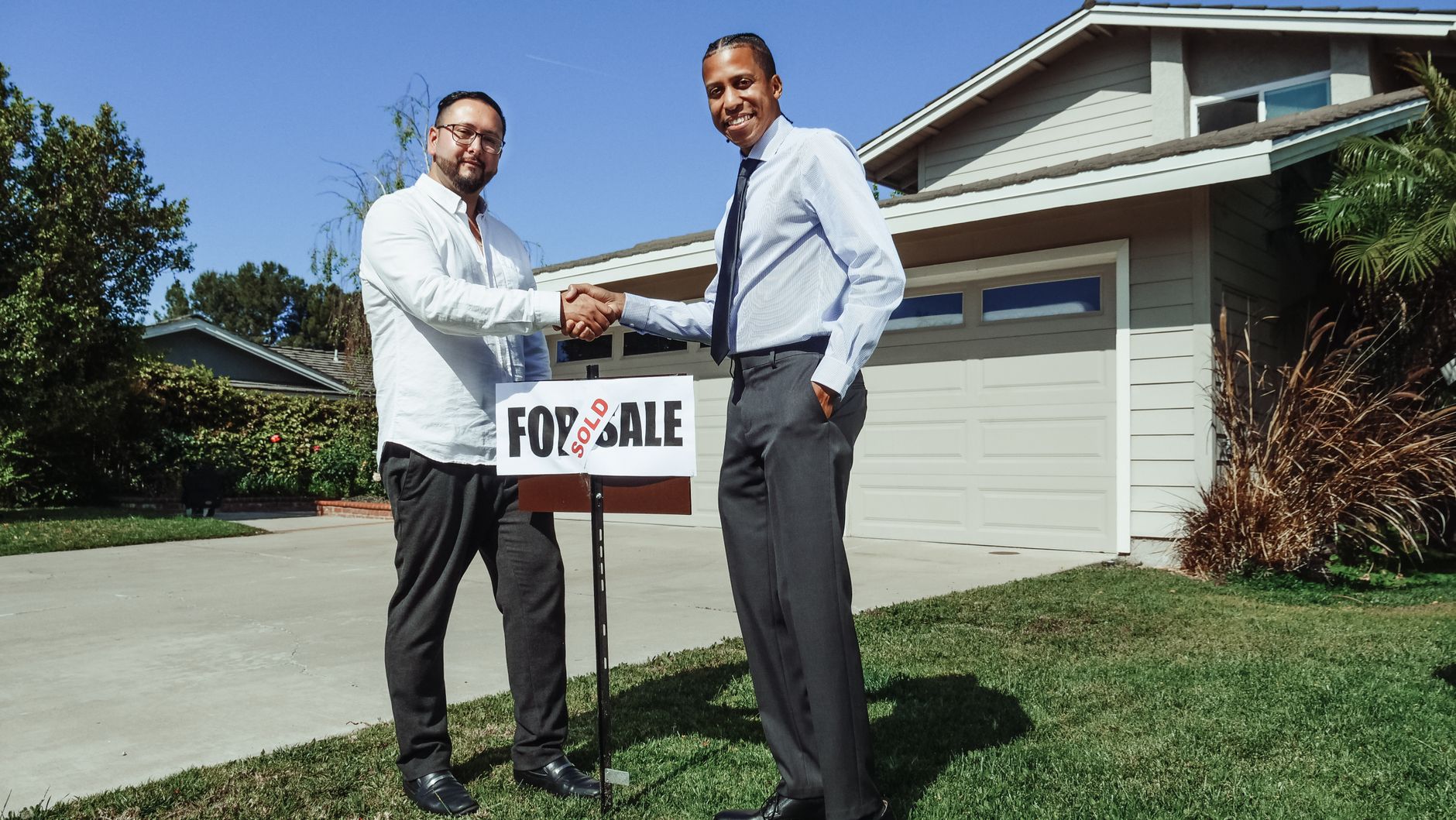
In 2026, seller concession data from the National Association of Realtors (NAR) shows that 32% of home sellers agreed to pay a portion of the buyer’s closing costs, which can include funding permanent or temporary rate buydowns to ease affordability.
Buyers can negotiate for seller concessions to cover these costs. In a balanced market, sellers often agree to pay a portion of your closing fees to close the sale. This lets you secure a lower rate without spending your own cash, keeping your emergency reserves fully intact for future expenses. Your real estate agent can draft this request directly into your initial purchase offer, making it a smooth part of your negotiation.
Have you considered asking for a temporary buydown? A seller-funded 2-1 buydown lowers your interest rate by 2% in the first year and 1% in the second year. This provides valuable breathing room as you adjust to your new monthly housing expenses, allowing you to settle in without immediate financial pressure.
Are Mortgage Points Tax-Deductible?
In 2026, IRS Publication 936 confirms that mortgage discount points are generally deductible as home mortgage interest if you itemize your deductions on Schedule A (Form 1040) and meet specific qualifying criteria, potentially saving buyers hundreds on taxes.
This deduction is only beneficial if you itemize your taxes. For many buyers, the standard deduction is more advantageous. However, if you do itemize, deducting the upfront cost of points in the year of purchase can significantly lower your tax liability, putting more money back in your pocket when tax season rolls around. Be sure to keep all closing documents, as your tax preparer will need the Form 1098 sent by your lender to claim this deduction.
Do you know the rules for secondary properties? If you are purchasing a vacation home or an investment property, you cannot deduct the points all at once. Instead, the IRS requires you to write them off gradually over the life of the loan, which alters your break-even calculations.
How Do Interest Rate Environments Affect Points?

In 2026, historical interest rate analyses from the Federal Reserve Bank of St. Louis show that buying points is highly advantageous during periods of stable or rising rates, whereas it is highly risky when rates are expected to fall.
The broader economic climate dictates whether buying points is a smart move. In a rising rate environment, securing a lower fixed rate is incredibly valuable. It protects you from future market volatility and guarantees long-term savings, giving you peace of mind as other borrowing costs continue to climb. Locking in a low rate now shields your household budget from unpredictable inflation spikes and central bank policy shifts.
Conversely, in a falling rate environment, buying points is highly risky. Why pay thousands upfront to lower your rate when market rates might drop on their own next year? In that scenario, keeping your cash liquid is the smarter financial move, allowing you to refinance for free later.
Frequently Asked Questions
Are mortgage points the same as origination fees?
No, they are different. In 2026, the Consumer Financial Protection Bureau (CFPB) notes that origination fees, which typically average 0.5% to 1.0% of the loan amount, cover the administrative costs of processing your loan, whereas discount points are optional fees paid directly to lower your interest rate.
Can you buy fractional mortgage points?
Yes, you can. In 2026, lenders surveyed by Bankrate confirm that borrowers can purchase fractional points, such as 0.25 or 0.50 of a point, to customize their rate reduction. This flexibility helps approximately 40% of point-buyers stay within their closing budgets.
Do mortgage points lower your down payment?
No, they do not. In 2026, Federal Housing Finance Agency (FHFA) guidelines specify that mortgage points are separate closing costs and cannot satisfy your minimum down payment requirement, which typically ranges from 3% to 20% of the purchase price depending on your loan type.
Are points worth it on a 15-year mortgage?
Usually less so. In 2026, data from Freddie Mac shows that 15-year mortgages already carry rates that are roughly 0.75% lower than 30-year loans, making the additional upfront cost of points harder to justify due to a shorter break-even period and higher monthly principal payments.
What happens to points if I pay off my mortgage early?
If you pay off your loan early, you lose the unused benefit of your points. In 2026, the Mortgage Bankers Association reports that the average mortgage is paid off or refinanced in under 7 years, meaning early payoff can erase your upfront investment and lead to a net loss.
Summary: Is Buying Points Right For You?
- Evaluate your timeline: Points only make sense if you stay in your home past the 60-to-72-month break-even mark.
- Protect your cash: Do not buy points if it leaves you without an emergency savings cushion.
- Negotiate concessions: Ask the seller to cover your points to lower your rate without spending your own cash.
Sources
- Consumer Financial Protection Bureau (CFPB). “What are discount points and how do they work?” Retrieved 2026-08-08. https://www.consumerfinance.gov
- Freddie Mac. “Mortgage Rates and Market Data.” Retrieved 2026-08-08. https://www.freddiemac.com
- Bankrate. “How to Calculate Your Mortgage Points Break-Even.” Retrieved 2026-08-08. https://www.bankrate.com
- National Association of Realtors (NAR). “Seller Concessions and Buyer Trends.” Retrieved 2026-08-08. https://www.nar.realtor
- Mortgage Bankers Association (MBA). “Mortgage Refinance and Retention Statistics.” Retrieved 2026-08-08. https://www.mba.org
- Federal Reserve Bank of St. Louis (FRED). “30-Year Fixed Rate Mortgage Average in the United States.” Retrieved 2026-08-08. https://fred.stlouisfed.org
- Internal Revenue Service (IRS). “Publication 936: Home Mortgage Interest Deduction.” Retrieved 2026-08-08. https://www.irs.gov
This article is for educational purposes only and does not constitute financial advice. Investing involves risk, including loss of principal.