Living from one pay date to the next is an exhausting cycle that leaves millions of Americans feeling constantly stressed. In late 2025, research showed that a staggering 62% of U.S. consumers were living paycheck to paycheck, struggling to find breathing room between monthly bills and basic expenses (LendingClub, 2025). This financial vulnerability is not just a low-income issue; it affects individuals across all income brackets, creating a persistent sense of anxiety. Fortunately, you do not have to remain trapped in this cycle forever. By implementing a structured, step-by-step approach over the next three months, you can regain control of your money, establish a reliable financial cushion, and build lasting peace of mind. In this comprehensive guide, you will learn the exact 90-day blueprint required to rewrite your financial story, eliminate waste, and build a sustainable path toward financial security.
Key Takeaways
– Approximately 62% of Americans live paycheck to paycheck, including nearly half of high earners making over $100,000 annually (LendingClub, 2025).
– Over 56% of U.S. adults lack the savings to cover an unexpected $1,000 emergency expense without borrowing (Bankrate, 2025).
– Implementing a structured 50/30/20 budget framework can improve overall financial well-being scores by 12 points on average (Consumer Financial Protection Bureau, 2025).
– A dedicated 90-day plan focused on tracking, saving $11.11 daily, and tackling high-interest debt can break the cycle permanently (WealthForge, 2026).
Why Are So Many Americans Living Paycheck to Paycheck?
In 2025, a LendingClub report revealed that 62% of U.S. consumers live paycheck to paycheck, including 48% of those earning over $100,000 annually. This widespread financial stress highlights that income level alone does not guarantee stability; instead, rising living costs and lack of structured cash flow management drive the cycle. When your expenses rise at the exact same rate as your earnings, you remain stuck on a financial treadmill.
We must understand that this financial trap is rarely a result of a single bad decision. Rather, it is a combination of stagnant wages, soaring housing costs, and the subtle creep of lifestyle inflation. Have you ever received a raise only to find your bank account just as empty at the end of the month? That is lifestyle inflation quietly eroding your progress before you even have a chance to save.
To break this cycle, we must first look at the data to understand where we stand. Many people assume that only low-income households struggle, but high overhead expenses like mortgages, car payments, and childcare eat away at even six-figure salaries. Let’s visualize how this issue spans across different income brackets in the United States.
Without a deliberate plan, extra income simply gets absorbed into everyday spending. Overcoming this requires shifting your mindset from reactive spending to proactive planning. Over the next 90 days, we will address the root causes of this cycle and replace them with lasting habits.
How Do You Audit Your Spending in the First 30 Days?

In 2025, a Bankrate survey found that 56% of Americans could not cover a $1,000 emergency expense using savings, underlining the critical need for a thorough expense audit. To build this buffer, you must track every single transaction for 30 days to identify hidden leaks. This simple act of tracking is the foundation of all financial change.
The first month of your journey is all about awareness. You cannot fix a leak if you do not know where the water is escaping. For the next 30 days, your sole mission is to document every penny that leaves your accounts. This means saving receipts, reviewing bank statements, and categorizing every purchase into clear buckets. If you want to build a foundation that lasts, you might consider learning how to create a zero-based budget that actually sticks in 2026.
Why is tracking so powerful? Because our brains are incredibly efficient at forgetting small purchases. That daily convenience store run or the subscription you forgot to cancel might seem insignificant in isolation. However, when aggregated over a month, these minor expenses can easily total hundreds of dollars. Are you ready to look your bank statements in the eye and uncover the truth about your spending habits?
Once you have completed your 30-day tracking phase, categorize your expenses into needs (housing, utilities, groceries, insurance) and wants (dining out, entertainment, subscriptions). This distinction is vital because it shows you exactly where you have the flexibility to cut back. Remember, this is not about deprivation; it is about reclaiming control of your hard-earned money.
What Is the Best Budgeting Method to Break the Cycle?
In 2025, data from the Consumer Financial Protection Bureau (CFPB) suggested that structured budgeting, such as the 50/30/20 rule, improves financial well-being scores by an average of 12 points. Adopting a clear framework helps individuals allocate their income intentionally, ensuring savings are prioritized rather than treated as an afterthought. Without a framework, money tends to disappear into miscellaneous categories.
One of the most common reasons budgets fail is that they are too restrictive. If you try to cut out all fun spending overnight, you will likely experience budget burnout and abandon the plan altogether. Instead, you need a flexible framework that permits guilt-free spending while protecting your financial goals. This is where the 50/30/20 budget comes into play.
Under this rule, 50% of your take-home pay goes toward essential needs, 30% is allocated to lifestyle wants, and the remaining 20% is funneled directly into savings and debt repayment. If your fixed costs are higher than 50%, do not panic. The goal is to work toward these percentages over the course of your 90-day plan. You can also review our guide on how to avoid lifestyle inflation in 2026 to ensure that any future raises are preserved for your savings goals.
By visualizing your income through this lens, you stop viewing budgeting as a punishment. Instead, it becomes a tool for empowerment. Knowing exactly how much you can spend on entertainment without hurting your progress eliminates the guilt often associated with personal finance. How would it feel to buy a cup of coffee or go out with friends knowing your bills and savings are already fully covered?
How Can You Build a $1,000 Starter Emergency Fund in 90 Days?
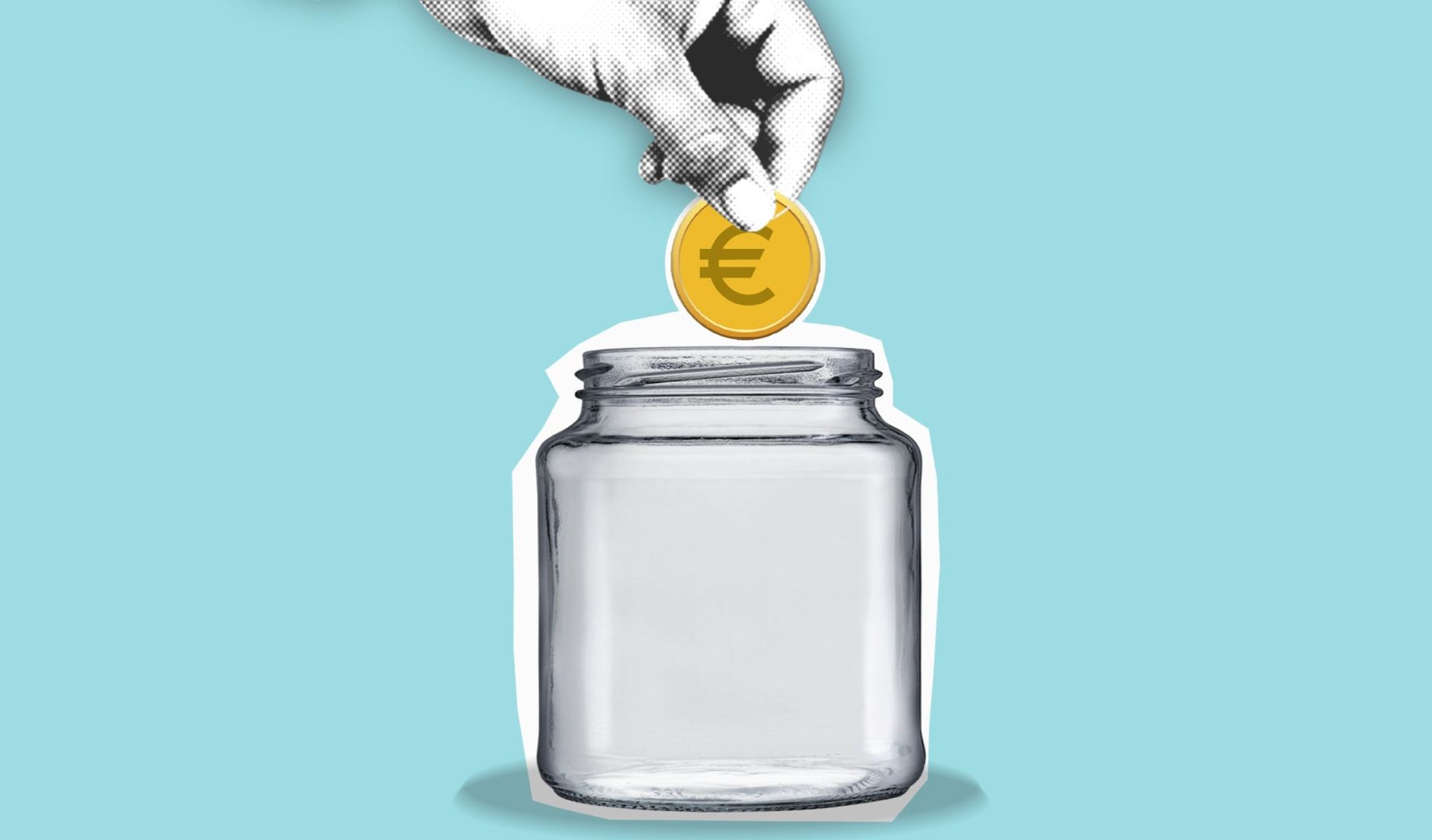
In 2025, the Federal Reserve’s Economic Well-Being of U.S. Households report indicated that 37% of adults would have to borrow or sell something to cover a sudden $400 expense. Establishing a starter emergency fund of $1,000 within 90 days provides an immediate buffer against unexpected costs, preventing you from sliding back into debt. This starter fund acts as your safety net.
An emergency fund is the ultimate shield against the paycheck-to-paycheck cycle. Without it, any minor inconvenience—a flat tire, a medical copay, or a broken appliance—becomes a major financial catastrophe that forces you to rely on credit cards. This creates a vicious cycle of borrowing and repaying that keeps you trapped. When was the last time you felt truly secure when your car made a strange noise?
To build this fund quickly, you need to break the goal down into bite-sized, daily targets. When you look at a $1,000 goal, it can feel overwhelming. But when you break it down into daily actions, it becomes highly achievable.
If you save exactly $11.11 per day starting tomorrow, you will hit your $1,000 emergency fund goal in exactly 90 days. To find that $11.11 daily, you could cancel a $15/month streaming service (saving $0.50/day), pack a $12 lunch instead of buying it four times a week (saving $6.85/day), and brew coffee at home instead of buying a $5 latte five times a week (saving $3.57/day). This shifts your daily balance by $10.92, almost entirely covering your daily goal with just three minor behavioral tweaks.
Keep this money in a separate High-Yield Savings Account (HYSA) at a different bank from your everyday checking account. This separation makes it much harder to spend the money impulsively, ensuring it is actually there when a true emergency arises. Over time, you can expand this fund to cover three to six months of living expenses.
How Do You Eliminate High-Interest Debt to Free Up Cash Flow?
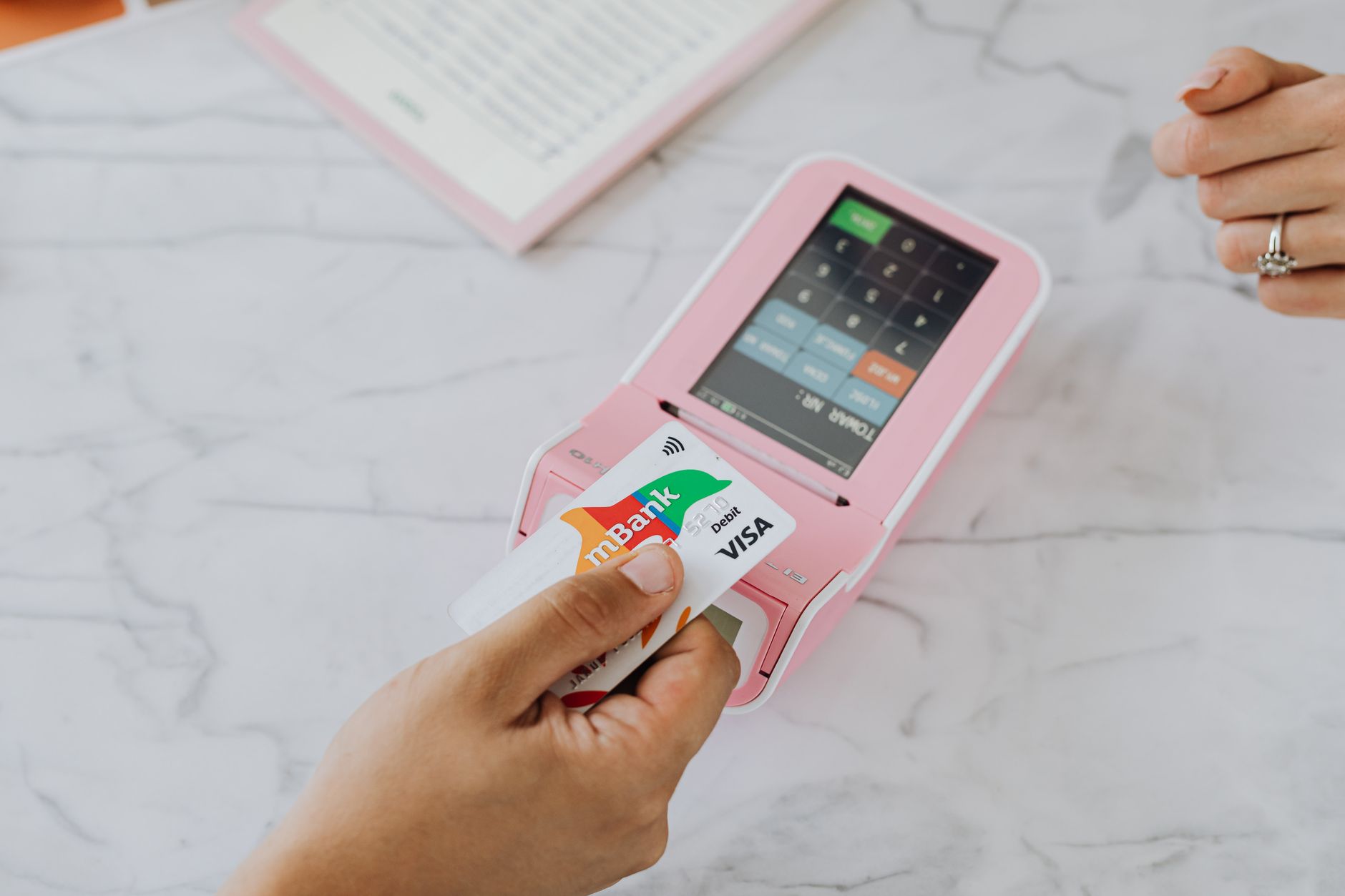
In 2025, the Federal Reserve Bank of New York reported that total U.S. credit card debt surpassed $1.13 trillion, with the average interest rate hovering above 21%. Paying down these high-interest obligations is essential because debt service payments eat up the cash flow you need to build long-term savings. Freeing up this cash flow is the fastest way to accelerate your progress.
Once your starter emergency fund is in place, your next priority is tackling high-interest debt. Credit card interest is a quiet wealth killer. When you carry a balance at a 21% interest rate, you are effectively paying a premium on every single thing you buy. Why continue paying a premium on your past choices when you could use that money to build your future?
To break free, you need a structured strategy like the debt snowball or debt avalanche. With the debt snowball method, you list all your debts from smallest balance to largest, regardless of interest rate. You throw all your extra cash at the smallest debt while paying the minimums on the rest. Once the smallest is paid off, you roll that payment into the next one. This method builds powerful psychological momentum.
To ensure you do not accumulate new debt while paying off the old, consider using structured savings accounts. You can read about how to use sinking funds to avoid debt in 2026 to plan for irregular expenses like car registration or holiday gifts without touching your emergency fund.
What Strategies Can Increase Your Monthly Income in 2026?

In 2025, a survey by Bankrate showed that 39% of U.S. adults have a side hustle, earning an average of $810 per month to cope with rising living costs. While cutting expenses is the fastest way to find immediate cash, increasing your income is the most effective way to accelerate your 90-day progress. Increasing your earning power provides the ultimate leverage over your financial timeline.
There is a limit to how much you can cut from your budget, but there is no limit to how much you can earn. If you have trimmed your expenses and still find things tight, it is time to focus on the income side of the equation. This could mean asking for a raise at your current job, looking for a higher-paying role, or launching a side hustle. What if you could turn your spare hours into financial freedom?
Let’s run a realistic side-hustle calculation. If you dedicate 6 hours per week to freelance proofreading or food delivery at an average rate of $20 per hour, you will earn $120 gross per week. Assuming a conservative 25% self-employment tax rate, you keep $90 net per week. Over the course of the remaining 60 days of your 90-day plan (about 8.5 weeks), this side hustle generates an extra $765 in pure cash. If you redirect every penny of this net income toward a credit card balance with a 21% APR, you would save approximately $160 in annualized interest charges alone, compounding your progress significantly.
By combining expense reduction with income generation, you create a powerful financial pincer movement. The extra income goes straight toward your financial goals, while your reduced expenses ensure you do not immediately spend your new earnings. This is how real financial momentum is built, allowing you to transition from surviving to thriving.
Frequently Asked Questions
How long does it typically take to stop living paycheck to paycheck?
Most financial planners agree that a 90-day period of consistent budget tracking and intentional saving is enough to break the immediate cycle. In 2025, consumer spending studies indicated that individuals who tracked expenses for three consecutive months reduced impulse spending by 15% on average (Consumer Financial Protection Bureau, 2025).
What is a safe percentage of income to save each month?
Financial experts recommend saving 20% of your take-home pay, though any amount is better than nothing. In late 2025, data from the Bureau of Economic Analysis (BEA) showed the personal savings rate in the United States was 4.1%, highlighting that most Americans have room to optimize their savings habits.
Can I stop living paycheck to paycheck on a low income?
Yes, although it is undeniably more challenging. In 2025, Bureau of Labor Statistics (BLS) data showed that low-income households spend roughly 35% of their income on housing. By focused expense reduction, finding roommates, or securing small side gigs, saving even $50 a month can build a vital buffer over time.
How does high-interest debt impact my ability to save?
High-interest debt acts as a massive anchor on your cash flow. In 2025, the Federal Reserve reported that the average American household spent approximately 9% of their disposable income solely on debt service payments, money that could otherwise be directed toward building an emergency fund.
Your 90-Day Action Plan Recap
To stop living paycheck to paycheck, focus on these three core milestones over the next 90 days:
- Days 1 to 30: Track every single transaction to identify spending leaks, categorize your expenses, and establish a clear baseline using a structured budget framework.
- Days 31 to 60: Build a $1,000 starter emergency fund by automating daily or weekly savings, and implement the debt snowball or avalanche method to target high-interest credit card debt.
- Days 61 to 90: Explore income-boosting opportunities like side hustles or wage negotiations, and permanently separate your savings into high-yield accounts to prevent impulse spending.
Sources
- LendingClub. (2025). New Reality Check: The Paycheck-to-Paycheck Report. Retrieved 2026-08-07, from https://www.lendingclub.com
- Bankrate. (2025). Annual Emergency Savings Report. Retrieved 2026-08-07, from https://www.bankrate.com
- Consumer Financial Protection Bureau. (2025). Financial Well-Being in America. Retrieved 2026-08-07, from https://www.consumerfinance.gov
- Federal Reserve Bank of New York. (2025). Quarterly Report on Household Debt and Credit. Retrieved 2026-08-07, from https://www.newyorkfed.org
- Bureau of Economic Analysis. (2025). Personal Income and Outlays. Retrieved 2026-08-07, from https://www.bea.gov
- Bureau of Labor Statistics. (2025). Consumer Expenditures Survey. Retrieved 2026-08-07, from https://www.bls.gov
This article is for educational purposes only and does not constitute financial advice. Investing involves risk, including loss of principal.
Pingback: How Do Balance Transfer Credit Cards Work? Are They Worth the Fees? - WealthForge