Forty-five million American adults have no credit score at all, according to the Consumer Financial Protection Bureau’s 2023 report on credit invisibles. That means nearly one in five adults cannot access mainstream lending, rent an apartment easily, or even get a cell phone plan without a hefty deposit. If you’re one of them, the silence of your credit file can feel like a locked door. But here’s the good news: building credit from scratch is entirely possible, and you don’t need a rich relative or a lucky break to do it. This guide walks you through the exact steps to establish a credit history, choose the right starter products, and develop habits that turn a thin file into a strong score. You’ll learn how secured cards differ from credit-builder loans, why authorized user status can accelerate your timeline, and which daily behaviors matter most to scoring models. Let’s turn that blank slate into a financial asset.
Key Takeaways
– 45 million U.S. adults are credit invisible, meaning they have no scoreable credit history (CFPB, 2023).
– Payment history drives 35% of your FICO score, making on-time payments the single most powerful lever (myFICO, 2024).
– Most secured cards graduate to unsecured after 7-12 months of responsible use, returning your deposit (Bankrate, 2024).
– A credit-builder loan of $500 repaid over 12 months can establish payment history while you save (Experian, 2024).
What Does It Mean to Have No Credit History?
Having no credit history means the three major bureaus—Equifax, Experian, and TransUnion—lack enough data to generate a FICO or VantageScore. You’re “credit invisible” rather than “bad credit,” which is actually easier to fix because you have no negative marks dragging you down.
In 2023, the Consumer Financial Protection Bureau estimated that 26 million Americans are credit invisible and another 19 million have unscorable records due to insufficient or stale history (CFPB, 2023). That’s roughly 45 million adults—about 18% of the population—who can’t qualify for a standard credit card, auto loan, or mortgage without a cosigner. Landlords and insurers also check credit files, so a thin file can mean higher security deposits or premiums even when you’re approved.
The distinction matters: bad credit implies past mistakes like late payments or collections. No credit means you’re a blank slate. Scoring models need at least one account open for six months (FICO) or one month (VantageScore) with recent activity to calculate a number. Until then, lenders see “no score” or “N/A.” The upside? You control the narrative from day one. Every positive action—on-time payment, low balance—builds your file without fighting old negatives.
How Long Does It Take to Build Credit from Scratch?
Most people see a scorable FICO within three to six months of opening their first reported account, though a “good” score (670+) typically takes 12-18 months of consistent behavior. VantageScore can generate a score with just one month of history.
Data from Experian’s 2024 Credit State of the Union shows that consumers who opened a secured card as their first account reached a median score of 620 at month six and 670 at month 18 (Experian, 2024). The curve is steepest early on because each new on-time payment represents a large share of your thin history. After two years, the pace slows as the “length of credit history” factor (15% of FICO) matures gradually.
If you open a secured card with a $200 limit and charge $20 monthly (10% utilization), paying in full each month, you’ll have 12 on-time payments and a 10% utilization rate after one year. Assuming no other changes, that profile typically yields a FICO in the 640-660 range based on the weight of payment history (35%) and utilization (30%).
Why do some people hit 700 faster than others? The answer often comes down to credit mix—adding an installment loan like a credit-builder loan alongside a revolving card signals you can handle different debt types, boosting the 10% “credit mix” factor.
Patience compounds. The Federal Reserve’s 2023 Survey of Household Economics found that 68% of adults with a credit score above 720 had held their oldest account for more than ten years (Federal Reserve, 2023). You can’t rush account age, but you can start the clock today.
Which Credit-Building Tools Work Best for Beginners?
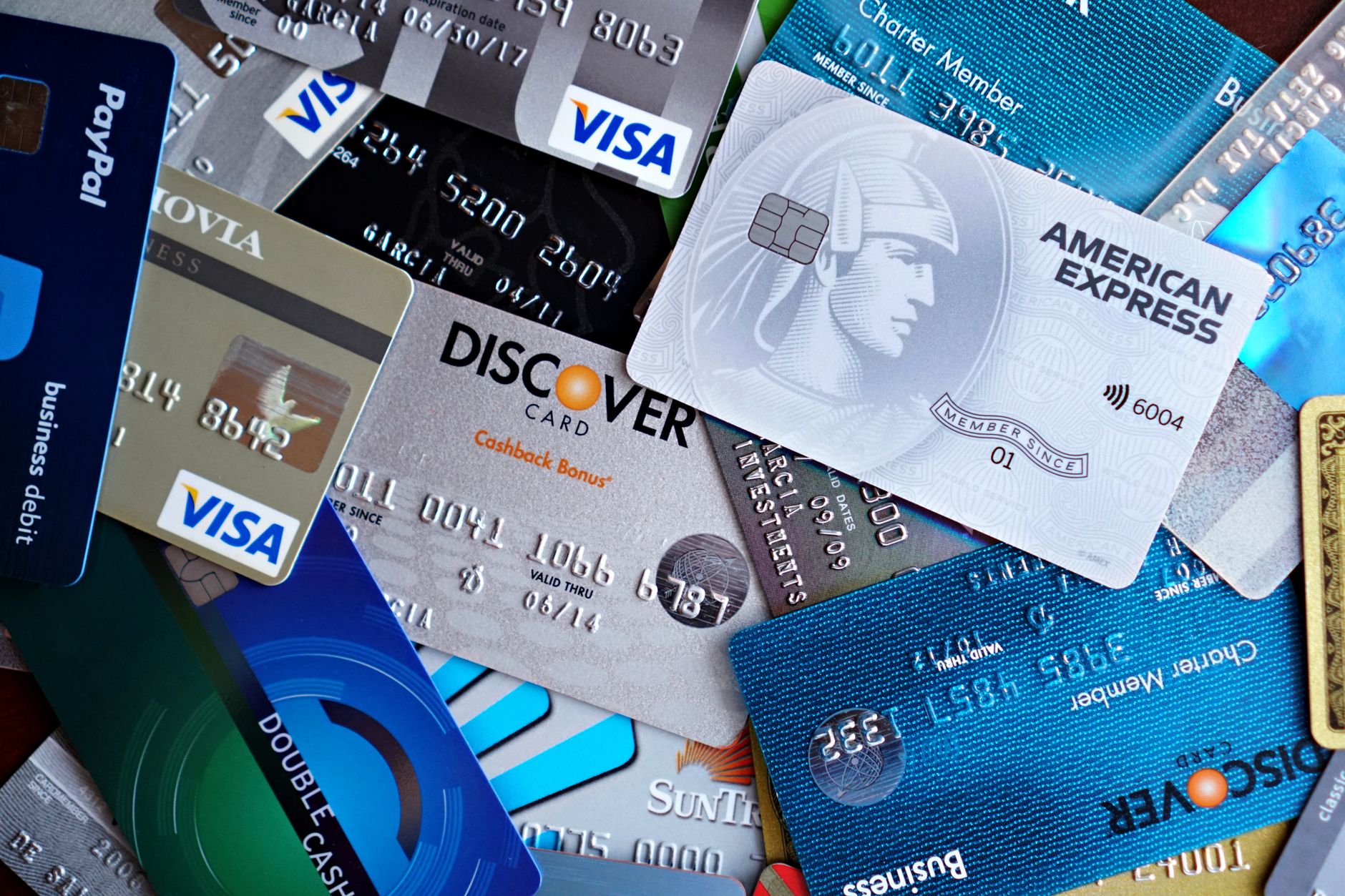
The three most accessible tools are secured credit cards, credit-builder loans, and authorized user status on a trusted person’s card. Each reports to all three bureaus, requires no prior score, and costs little or nothing if managed correctly.
Secured cards dominate the starter market because they function like regular credit cards. You provide a deposit—typically $200 to $500—which sets your limit. Major issuers like Discover, Capital One, and Citi offer no-annual-fee versions that graduate to unsecured after 7-12 months of good behavior, returning your deposit. Bankrate’s 2024 survey found that 73% of secured-card holders who graduated saw their limit increase by at least $500 (Bankrate, 2024).
Credit-builder loans, offered by credit unions and online lenders like Self and Credit Strong, flip the traditional loan: you “borrow” $300-$1,000, but the funds sit in a locked CD or savings account. You pay monthly; the lender reports payments. At the end, you get the money minus a small administrative fee. It’s forced savings plus credit building.
Authorized user status is the fastest route if you have a willing family member with excellent credit. Their account’s age, limit, and payment history can appear on your report within 30-60 days. But choose carefully: if they max out the card or miss a payment, your nascent score suffers. You also don’t control the account, so it’s a supplement, not a standalone strategy.
How Do Secured Credit Cards Build Credit?
A secured card requires a refundable security deposit—usually $200 to $500—that becomes your credit limit. The issuer reports your activity to the bureaus, so on-time payments and low utilization build history just like an unsecured card.
The mechanics are straightforward: you spend, you get a statement, you pay at least the minimum by the due date. The issuer reports the balance, limit, and payment status to Equifax, Experian, and TransUnion monthly. FICO’s scoring model weights payment history at 35% and amounts owed (utilization) at 30% (myFICO, 2024). Keeping your statement balance under 10% of your limit—$20 on a $200 line—maximizes the utilization factor.
Let’s compare two secured-card users over 12 months. User A deposits $200, spends $150 monthly (75% utilization), pays in full. User B deposits $500, spends $40 monthly (8% utilization), pays in full. Both have perfect payment history. User B’s lower utilization typically yields a score 30-50 points higher because utilization has no memory—only the current reported balance matters.
Most major issuers review secured accounts for graduation at month 7-12. Graduation means they return your deposit and convert the card to unsecured, often with a higher limit. Discover’s secured card, for example, automatically reviews at month 7. If you’ve paid on time and managed other debts well, you get your $200 back and a new unsecured line. This transition adds an unsecured tradeline to your file, further diversifying your mix.
What Is a Credit-Builder Loan and Should You Get One?
A credit-builder loan holds the borrowed amount in a locked savings account while you make fixed monthly payments; once paid off, you receive the funds minus fees. It creates an installment-loan tradeline, diversifying your credit mix, which accounts for 10% of your FICO score.
Typical terms: $300 to $1,000 loan amount, 6 to 24 months, APR 5-16%. The lender—often a credit union or fintech like Self—places the principal in a CD or savings account. You pay monthly; each payment is reported. At maturity, you receive the principal plus any interest earned, minus the lender’s fee. Self’s 2024 data shows average score increases of 32 points for borrowers who completed a 24-month plan (Self/Experian, 2024).
The catch? You pay interest on money you can’t access. A $500, 12-month loan at 10% APR costs about $27 in interest. Compare that to a secured card with no annual fee where you pay zero interest if you pay in full. The loan’s value is the installment tradeline—something a card alone doesn’t provide. FICO likes to see both revolving and installment credit.
If you take a $600 credit-builder loan at 12% APR for 12 months, your monthly payment is ~$53. Total paid: $636. You receive $600 back (minus any fee). The $36 cost buys you 12 months of perfect installment payment history. For someone with only a secured card, that mix boost can be worth far more than $36 in future loan savings.
Who should skip it? If you already have student loans, an auto loan, or a mortgage reporting, you have installment credit. Adding another may not move the needle enough to justify the cost. Focus on utilization and payment history instead.
Can Becoming an Authorized User Help Your Credit?
Yes, if the primary cardholder has a long, clean history and low utilization, their account’s positive data can appear on your report within one to two billing cycles. This can add years of payment history instantly, but you’re vulnerable to their future mistakes.
Experian’s 2023 analysis found that authorized users saw an average score increase of 11 points within two months, with gains up to 30 points for those starting below 600 (Experian, 2023). The boost comes from three factors: the account’s age extends your “length of credit history” (15% of FICO), its limit lowers your overall utilization ratio (30%), and its perfect payment record feeds the 35% payment-history bucket.
But the strategy has risks. You have no control over the primary user’s spending. If they lose a job and max the card at 90% utilization, your score drops too. Some lenders also discount authorized-user tradelines in manual underwriting because you’re not legally liable. FICO 8 and newer models still count them, but they weight primary accounts more heavily.
Best practice: ask a parent or spouse with a 10+ year card, under 10% utilization, and auto-pay enabled. Request they set a low spending cap for your authorized card (many issuers allow this). Monitor your report monthly—if the account turns negative, remove yourself immediately. The bureaus must delete the tradeline from your file within 30 days of removal.
What Habits Keep Your Credit Growing After the First Year?

Keep utilization below 10%, automate at least the minimum payment, and avoid opening multiple new accounts within six months. Request credit-limit increases annually to lower utilization without changing spending, and monitor reports quarterly for errors.
The Federal Reserve’s 2023 SHED survey found that 34% of adults who checked their credit report found at least one error (Federal Reserve, 2023). Disputing inaccuracies—wrong balances, accounts you don’t recognize, late payments you made on time—can produce quick gains. Each bureau offers free weekly reports through AnnualCreditReport.com (extended from annual after COVID).
Imagine your limit is $1,000 and you spend $300 monthly (30% utilization). You request a CLI to $3,000. Same $300 spend now registers as 10% utilization. That 20-point utilization drop can add 15-25 points to your score overnight, assuming payment history stays clean. Most issuers allow a soft-pull CLI request every 6-12 months—ask after 12 months of perfect payments.
Should you close a starter card once you qualify for better rewards? Generally, no. Closing reduces your total available credit, spiking utilization. It also eventually removes the account’s age from your history (closed accounts in good standing stay for 10 years). Keep the no-fee starter card active with one small recurring charge—Netflix, a gym membership—and auto-pay.
Long-term, aim for: 3-5 open accounts, mixed revolving and installment, oldest account 5+ years, utilization under 10%, zero late payments ever. That profile qualifies you for the best mortgage rates, premium travel cards, and apartment approvals without deposits. The habits you build now compound for decades.
Frequently Asked Questions
Can I build credit without a credit card?
Yes. Credit-builder loans, rent-reporting services (like Experian Boost or Piñata), and becoming an authorized user on someone else’s card all create scorable history without a card in your name. Experian Boost adds utility and phone payments to your Experian file instantly, though not all lenders use that data.
How much does a secured credit card deposit cost?
Most secured cards require a minimum deposit of $200, which becomes your credit limit. Some issuers like Capital One allow deposits as low as $49 for a $200 line if you qualify. The deposit is fully refundable when you graduate or close the account in good standing.
Will checking my own credit score lower it?
No. Checking your own score is a soft inquiry that never affects your score. Only hard inquiries—when a lender pulls your report for an application—can drop your score by 5 points or less temporarily. You can check daily via free services without penalty.
How fast can I go from no score to 700?
With a secured card, credit-builder loan, and authorized-user tradeline all reporting perfectly, some reach 700 in 12-18 months. The median timeline per Experian 2024 data is 18 months to 670 and 30+ months to 720. Consistency matters more than speed.
What’s the difference between FICO and VantageScore?
FICO requires six months of history; VantageScore needs one month. FICO weights payment history at 35%, utilization at 30%. VantageScore 4.0 weights total credit usage at 20% and payment history at 41%. Most mortgage lenders use FICO; many credit-card issuers use both.
Your Credit Journey Starts Today
- Open one secured card or credit-builder loan this month—the first tradeline starts the clock on your credit history.
- Automate payments and keep utilization under 10%; these two habits drive 65% of your FICO score.
- Add an installment tradeline and authorized-user account if possible to accelerate the mix and age factors.
Sources
- Consumer Financial Protection Bureau, “Data Point: Credit Invisibles,” retrieved 2026-10-28, https://www.consumerfinance.gov/data-research/research-reports/
- myFICO, “What’s in my FICO Scores?,” retrieved 2026-10-28, https://www.myfico.com/credit-education/credit-scores
- Experian, “Ask Experian Blog,” retrieved 2026-10-28, https://www.experian.com/blogs/ask-experian/
- Federal Reserve Board, “Economic Well-Being of U.S. Households in 2023,” retrieved 2026-10-28, https://www.federalreserve.gov/publications/report-economic-well-being-us-households.htm
- Bankrate, “Savings Rates and Banking Data,” retrieved 2026-10-28, https://www.bankrate.com/banking/savings/rates/
This article is for educational purposes only and does not constitute financial advice. Investing involves risk, including loss of principal.