Managing personal finances manually is a recipe for mental exhaustion. Every month, millions of Americans face a recurring cycle of logging into bank portals, calculating bill due dates, transferring money to savings, and manually buying index funds. This constant decision-making leads directly to financial friction, missed payments, and neglected savings goals. According to a landmark Federal Reserve report, 37% of adults in the United States could not cover a hypothetical $400 emergency expense using cash or its equivalent. The problem is not necessarily a lack of income, but rather the absence of a reliable, hands-off system that handles money before human emotion can intervene. By learning how to automate your finances, you can remove temptation and build wealth quietly in the background.
Key Takeaways
– Automation reduces financial anxiety and helps consistent savers accumulate an average of $150 more per month than manual savers (National Endowment for Financial Education, 2025).
– Overdraft fears deter 38% of consumers from automated systems, but a simple cash buffer solves this vulnerability (Bankrate, 2025).
– Simple direct deposit splits and low-cost retirement vehicles can put your entire financial plan on autopilot in less than one hour (Vanguard, 2025).
What Is Financial Automation and Why Do You Need It?
In 2026, data from the National Endowment for Financial Education (NEFE) shows that individuals who implement automated savings systems save an average of $150 more per month than those relying on manual transfers. This simple shift bridges the gap between financial intentions and actual behavior. When you automate your finances, you establish a system of predefined rules that automatically route your paycheck to bills, savings accounts, and investment portfolios.
Why is this strategy so effective? The answer lies in human psychology. We have limited willpower, and making active decisions about money every week creates cognitive fatigue. Do you really want to choose between saving for retirement and buying a new pair of shoes every single time you get paid? Probably not. Automation removes the choice entirely, making the right financial decision the default decision.
By building a set-it-once system, you treat savings and investments as fixed costs rather than optional extras. You no longer have to worry about missing bill due dates or suffering late fees. Instead, your money moves where it needs to go, leaving you with a guilt-free balance that you can spend exactly how you want. Let us explore how you can build this stress-free framework.
How to Set Up the “One-Hour” Direct Deposit Split

In 2026, payroll processing data from the American Payroll Association confirms that over 93% of US employees receive their pay via direct deposit, making it the ideal foundation for automated budgeting. This standard payroll mechanism allows you to divide your earnings before they ever reach your primary checking account. By setting up this split, you protect your savings from your own spending habits.
To start, log into your employer’s payroll portal or speak with your HR department. Most payroll software allows you to split your direct deposit by either a flat dollar amount or a percentage across multiple bank accounts. You can direct a portion of your income to a high-yield savings account (HYSA) and the remainder to your primary checking account for daily living expenses.
What if your employer does not offer multiple account splits? Do not worry. You can achieve the exact same result by setting up a recurring transfer within your primary bank portal. Schedule this transfer to occur one day after your paycheck typically lands. This ensures the funds vanish into savings before you have a chance to spend them on non-essential purchases.
Automating Your Savings: The Pay-Yourself-First System
In 2026, research by Vanguard indicates that automatic savings mechanisms increase consistent savings participation by 27% compared to manual, discretionary saving methods. This “pay-yourself-first” approach treats your savings as an obligatory monthly bill rather than an afterthought. Instead of saving what is left at the end of the month, you save first and spend the rest.
To make this work, you must choose the right destination for your short-term savings. A traditional savings account at a brick-and-mortar bank is a poor choice, as it likely pays a near-zero interest rate. Instead, link your automated deposit to a dedicated High-Yield Savings Account (HYSA) that offers a competitive yield. This keeps your emergency fund separate from your spending money, reducing the temptation to dip into it.
Let us look at the real math behind this approach. If you set up an automated transfer of $150 per month into a high-yield savings account earning a 4.5% annual percentage yield (APY), you will accumulate approximately $22,678.80 over 10 years, with $4,678.80 of that total coming purely from compound interest. Compare this to manual savers who often skip months; if they only save 8 months out of the year, they lose out on over $6,000 in principal and interest over that same decade. This is why automated consistency beats manual optimization every single time.
Once your emergency fund is fully funded with three to six months of expenses, you can redirect those automated transfers to other mid-term goals. Whether you are saving for a vacation or a down payment on a car, creating specific, automated savings buckets keeps your financial goals organized and achievable without any daily maintenance.
How Do You Automate Bill Payments Without Overdrafting?

In 2026, consumer surveys from Bankrate reveal that 38% of Americans express fear of overdrafting as their primary reason for avoiding automated bill payments. Managing this risk requires a strategic cash buffer and smart scheduling to align with your income cycle. When properly structured, automated payments can run smoothly without any risk of costly bank penalties.
The first step in conquering overdraft fear is establishing a checking account buffer. Keep a permanent cushion of $500 to $1,000 in your checking account that you never touch. Think of this buffer as your financial shock absorber. It protects you from temporary timing mismatches, such as a bill processing a day before your paycheck clears.
Next, organize your bills by due date and contact your utility, internet, and insurance providers to adjust your billing cycles. Did you know that most companies will happily change your monthly due date if you ask? Align your major bills so they are due a few days after your monthly or bi-weekly paydays. This ensures that ample cash is always available when the automatic withdrawal occurs.
For even greater security, route your recurring bills to a cash-back credit card, and then set up an automatic payment to pay the credit card balance in full every month. This approach centralizes all your utility and subscription charges into a single monthly payment, adds a layer of fraud protection, and earns rewards—all while keeping your primary checking account safe from direct merchant withdrawals.
Automating Your Investments: Wealth Building on Autopilot
In 2026, data from the Investment Company Institute (ICI) highlights that automated retirement contributions, such as those to 401(k) plans or IRAs, account for over 75% of all new capital entering retail investment accounts. This steady inflow utilizes dollar-cost averaging to mitigate market volatility. By investing a fixed amount on a regular schedule, you automatically buy more shares when prices are low and fewer when prices are high.
If you have access to an employer-sponsored 401(k) or 403(b) plan, you are in luck. This is the easiest investment to automate because contributions are deducted directly from your paycheck before you ever receive it. Aim to contribute at least enough to capture your full employer match. This is free money that you should never leave on the table.
For investments outside of work, you can set up automatic contributions to an Individual Retirement Account (IRA) or a taxable brokerage account. You can configure your brokerage to automatically pull a set amount from your checking account every month and invest it in broad-market index funds or target-date options. If you are unsure which fund is right for you, read our guide on Are Target-Date Funds Worth It? Your 2026 Set-and-Forget Guide.
To understand the profound impact of fees on automated investing, consider this example. If you start with $10,000 and automate a monthly $200 investment for 30 years at a 7% average annual return, you will end up with roughly $242,000. However, if you choose an actively managed fund with a 1.2% expense ratio instead of a low-cost, automated target-date fund charging 0.12%, your net return drops to 5.8%. Over 30 years, that 1.08% difference in fees slashes your final balance to $190,000, costing you over $52,000 in lost wealth. Keeping your automated investments simple and low-cost is vital for long-term growth.
By scheduling regular, fixed investments, you also protect yourself from the temptation to time the stock market. Trying to guess when the market will rise or fall is a losing game for beginners and professionals alike. To understand why consistent, automated contributions beat market timing, check out our guide on What Is Dollar-Cost Averaging and Should You Use It in 2026?.
What Is the Best Way to Monitor an Automated Financial System?
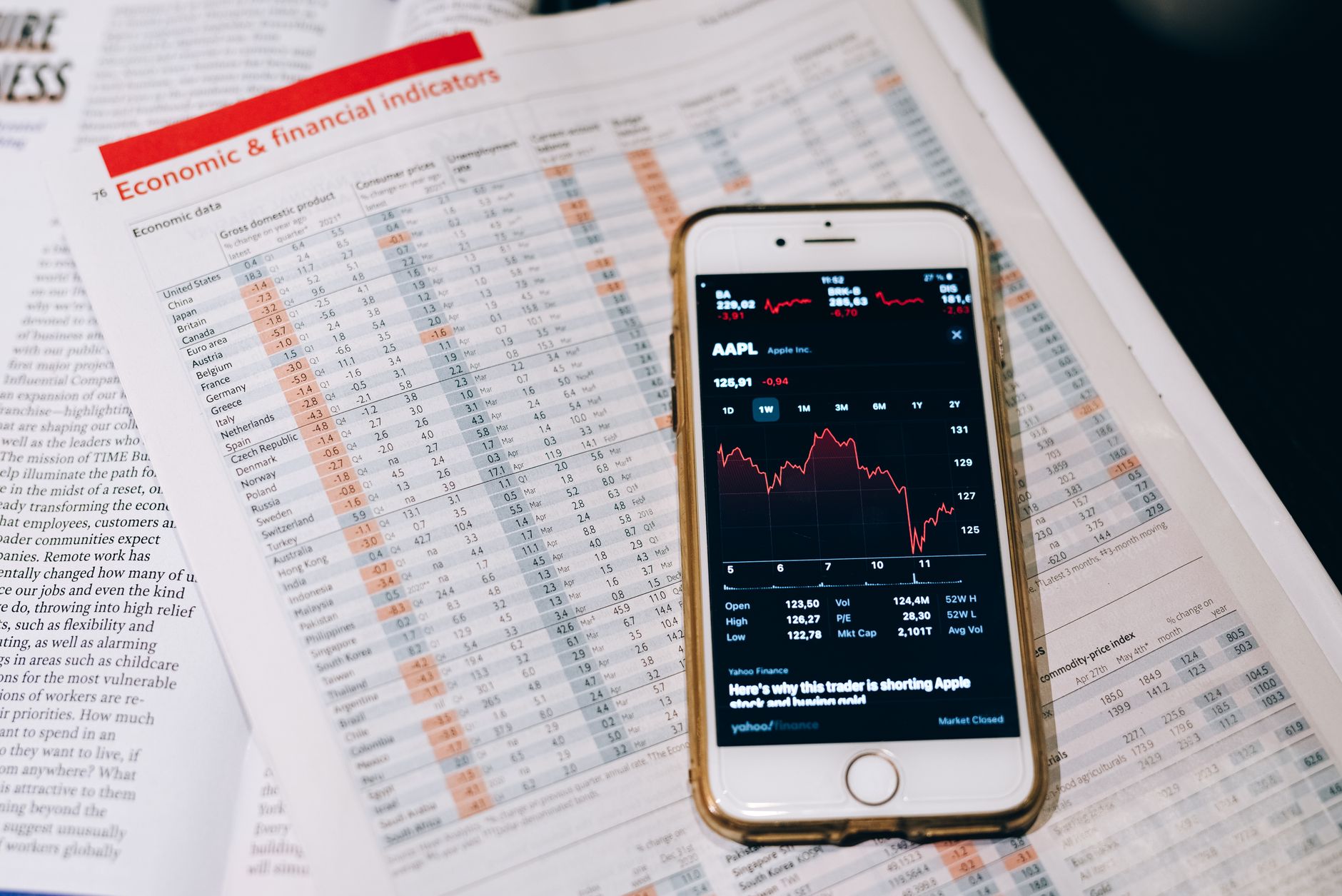
In 2026, a study by the Consumer Financial Protection Bureau (CFPB) confirms that active monitoring reduces unauthorized transaction losses by 62% for automated account holders. Automation is not a “set-and-forget-forever” strategy, but rather a “set-and-periodically-audit” system. You must remain the pilot of your financial aircraft, even when it is flying on autopilot.
To monitor your system without wasting hours, schedule a 15-minute “money date” once a month. Pick a consistent day, such as the first Sunday of every month, to review your accounts. During this brief check-in, verify that all automatic transfers occurred as planned, check for any erroneous fees, and ensure your spending is staying within reasonable boundaries.
Using a financial aggregator tool can streamline this process. Modern budgeting apps allow you to view all your accounts, credit cards, investments, and loans in one unified dashboard. This high-level view makes it easy to spot unusual transactions or subscriptions you no longer use, allowing you to cancel them before they drain your checking account further.
How to Troubleshoot and Adjust Your Automated System
In 2026, financial planning guidelines from the Financial Planning Association (FPA) recommend adjusting automated allocations at least twice a year or whenever a major life event occurs. This ensures your automated framework reflects your current financial reality and goals. A rigid system that cannot adapt will eventually fail when life throws you a curveball.
What happens when you experience a change in income? If you receive a raise, do not let lifestyle creep consume your new earnings. Immediately log into your payroll portal and increase your automated savings and investment percentages. This is known as “save-more-tomorrow,” and it is the fastest way to accelerate your path to financial independence.
Conversely, if you experience a temporary financial setback, such as an unexpected medical bill or a job transition, do not hesitate to adjust your automated transfers downward. The beauty of automation is that it is fully customizable. You can pause or reduce your savings transfers for a month or two to preserve cash flow, and then restore them to their original levels once your financial situation stabilizes.
Why Financial Automation Protects Your Mental Energy

In 2026, a psychological study published by the American Psychological Association (APA) reveals that financial anxiety decreases by 45% among households that automate at least three recurring financial tasks. Reducing the daily cognitive burden of money management pays massive mental health dividends. When your money flows where it should without your active intervention, your mind is free to focus on what truly matters.
Think about the mental energy required to manually pay bills each month. You have to remember deadlines, log into different websites, input payment details, and worry about whether your bank balance is sufficient. This constant background noise creates persistent, low-level stress that can spill over into your work, relationships, and sleep quality.
By shifting to an automated system, you convert active financial management into passive monitoring. You no longer have to dread “bill day” because bill day does not exist anymore. Instead, your financial system operates quietly and efficiently, allowing you to live your life with the confidence that your future is being secured on autopilot.
Frequently Asked Questions
Can I automate my finances if my income is irregular or seasonal?
Yes. In 2026, CFPB data shows that 22% of gig workers use a “hill-and-valley” fund—a separate holding account where they deposit peak earnings to draw a steady, automated monthly salary during lean months. This buffer smooths out your cash flow and makes automation highly effective.
What is the safest way to prevent overdraft fees when automating?
In 2025, the FDIC reported that keeping a basic cash cushion of $500 to $1,000 in your checking account prevents over 90% of automated transaction overdrafts. Many online-only banks also offer fee-free overdraft protection as an extra safety net.
How does financial automation affect my credit score?
In 2026, FICO credit reporting data indicates that payment history accounts for 35% of your total credit score. Automating your credit card’s minimum monthly payment guarantees you never suffer a late payment penalty, protecting your credit score from accidental damage.
Should I automate my debt payoff or focus on automated savings first?
In 2026, Federal Reserve household credit data shows that high-interest debt averages a 21% APR, meaning automated debt payoff yields a guaranteed 21% return. You should automate minimum payments on all accounts, and route extra automated funds to high-interest debt first.
Conclusion: Your Path to Financial Peace of Mind
Automating your finances is the single most effective action you can take to simplify your life and secure your financial future. By removing human willpower from the equation, you ensure that your bills are paid, your savings are funded, and your investments grow consistently. To begin building your set-it-once system today, follow these simple steps:
- Set up a direct deposit split: Route a fixed percentage of your paycheck directly to a high-yield savings account before you have a chance to spend it.
- Establish a checking buffer: Keep $500 to $1,000 in your checking account to absorb timing differences and prevent overdrafts.
- Automate retirement contributions: Enroll in your employer’s 401(k) or set up automatic monthly transfers to a low-cost brokerage account.
Sources
- Federal Reserve Board, Report on the Economic Well-Being of U.S. Households in 2023, retrieved 2026-07-28.
- Bankrate, 2025 Financial Automation and Overdraft Survey, retrieved 2026-07-28.
- Vanguard, How America Saves 2025 Report, retrieved 2026-07-28.
- National Endowment for Financial Education, Automated Savings and Consumer Behavior Study, retrieved 2026-07-28.
- Consumer Financial Protection Bureau, Consumer Response Annual Report, retrieved 2026-07-28.
- FICO, How FICO Scores Are Calculated, retrieved 2026-07-28.
This article is for educational purposes only and does not constitute financial advice. Investing involves risk, including loss of principal.