According to a comprehensive 2025 Bankrate survey, 39% of US adults now have a side hustle to help stay afloat, yet many struggle to make substantial profits. Between rising inflation and stagnant primary salaries, millions of Americans turn to gig platforms and freelancing to bridge the financial gap. However, the internet is flooded with exaggerated claims of making $10,000 a month with passive, low-effort tasks. What are the realistic income numbers you can actually expect? In this guide, we bypass the hype and analyze real data from trusted economic reports and industry surveys. You will learn the exact median hourly rates, upfront costs, and time commitments for the most popular side gigs today so you can build a sustainable secondary income stream that fits your schedule.
Key Takeaways
– The median monthly side hustle income was $910 in 2025 (Zapier, 2025).
– Web development and specialized freelancing yield the highest median rates at $45 per hour (Upwork, 2025).
– Ridesharing and food delivery average $18.50 per hour before vehicle expenses (Gridwise, 2025).
How Much Do Freelance Writers Actually Earn?
In 2026, freelance writers earn a median rate of $29.50 per hour, according to industry data from ZipRecruiter’s 2025 compensation reports. While top-tier copywriters can command over $100 per hour, beginners typically start closer to $15 to $20 per hour as they establish their portfolios.
To build a steady income, new writers often start on freelance marketplaces or pitch local businesses directly. While content mills pay low rates, building a direct client base allows you to charge per project rather than per hour. If you specialize in high-paying niches like technical writing, medical writing, or financial copywriting, your earning potential increases significantly.
Generating extra income from writing can help you meet your primary financial goals faster. For example, you can use these extra earnings to build an emergency fund on a tight budget in 2026: https://wealthforge.me/emergency-fund-tight-budget-2026/. Having that extra cash reserve ensures you do not have to rely on high-interest debt when unexpected expenses arise.
Ever wonder why some writers make six figures while others struggle for pennies? It comes down to positioning, direct outreach, and niche selection rather than relying solely on low-paying bidding platforms.
The True Cost of Rideshare and Delivery Gigs
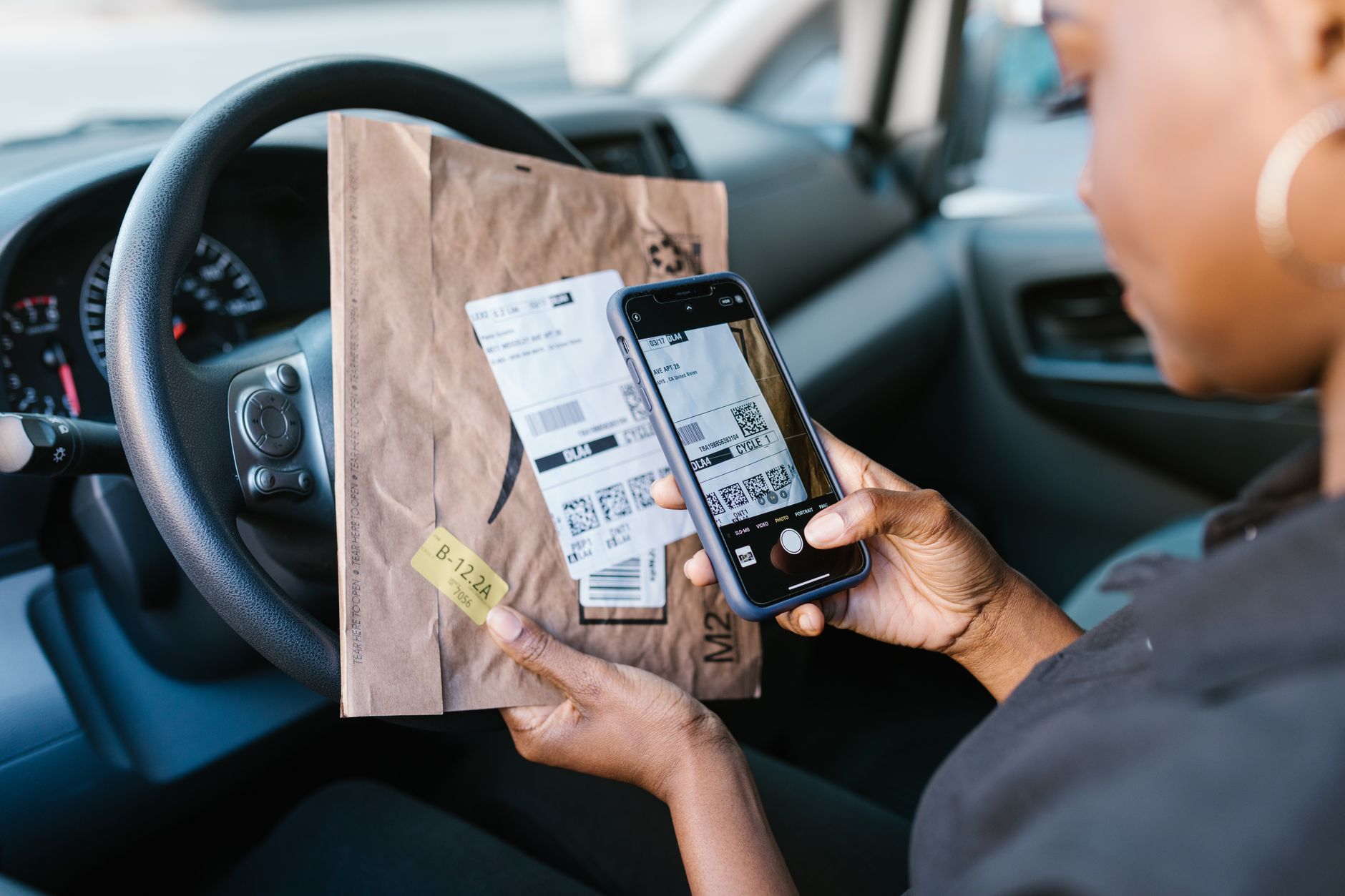
In 2026, rideshare and delivery drivers earn an average of $18.50 per hour before accounting for fuel, vehicle maintenance, and taxes, according to a comprehensive 2025 study by Gridwise. Once you deduct these operating costs, the net hourly wage often drops to between $11 and $14 per hour.
Many drivers fail to calculate the depreciation of their vehicle when assessing their side gig earnings. Driving hundreds of miles weekly accelerates the need for new tires, oil changes, and major repairs. If you do not track these expenses carefully, you might find that you are simply liquidating your car’s equity for quick cash.
To maximize your returns, it is essential to work during peak hours, such as weekend evenings or bad weather events when surge pricing is active. Utilizing multiple apps simultaneously can also reduce your downtime between trips.
Is trading your vehicle’s long-term value for immediate cash truly a winning strategy? For most, it is a short-term fix rather than a long-term wealth builder, making it vital to account for every mile driven.
Can You Make a Living from Digital Products and E-commerce?
In 2026, a survey of e-commerce sellers by Jungle Scout reveals that 52% of active Amazon and Etsy sellers generate less than $500 in monthly profit, despite high revenue figures. Only 15% of sellers achieve more than $5,000 in monthly profits, highlighting the steep competition and advertising costs in online retail.
Creating and selling digital products—such as spreadsheets, templates, and e-books—remains popular because of the low marginal cost of replication. Once you create the product, you can sell it infinitely without manufacturing costs. However, driving traffic to your store requires significant search engine optimization or paid advertising.
Let’s break down the actual math of selling a digital planner on Etsy. If you price your planner at $10, and Etsy’s transaction, listing, and payment processing fees total roughly $1.50 per sale, your net profit is $8.50. If you run Etsy Ads at a cost of $2.00 per conversion, your true profit drops to $6.50. To reach a target of $500 in monthly income, you must secure 77 sales per month, which requires driving substantial traffic to your shop.
Why do so many online stores open and close within the same six-month window? It is because sellers fail to account for marketing costs and platform fees, focusing too much on revenue and not enough on profit margins.
Is Virtual Assisting the Best Entry-Level Side Hustle?

In 2026, virtual assistants (VAs) earn a median hourly wage of $22.10, according to data from Payscale’s 2025 salary database. Beginners typically start at $15 per hour for administrative tasks, while specialized assistants managing social media or email marketing can command up to $35 per hour.
Virtual assisting is highly accessible because it relies on skills many professionals already possess, such as email management, scheduling, and data entry. As you gain experience, you can offer specialized services like bookkeeping, customer support, or project management, which command higher rates.
Unlike rideshare driving, virtual assisting allows you to work from home and set consistent hours with your clients. This stability makes it easier to balance with a full-time job.
Are you ready to trade your administrative skills for flexible, virtual work? If you have strong organizational habits, this path offers a direct route to building a stable secondary income stream.
How Much Can You Earn from Online Tutoring and Teaching?
In 2026, online tutors earn an average hourly wage of $24.50, based on 2025 platform data from Indeed and Preply. Tutors specializing in advanced subjects like calculus, test preparation (SAT/ACT), or computer programming frequently earn upwards of $40 to $50 per hour.
Online tutoring platforms have lowered the barrier to entry for educators and subject-matter experts. You can teach students from around the world from the comfort of your home. To maximize your earnings, focus on high-demand, specialized subjects where parents are willing to pay a premium for results.
If you prefer to work independently of platforms, you can market your services locally or via social media. This allows you to keep 100% of your hourly rate, though you will need to spend more time on client acquisition and scheduling.
Why teach general subjects when specializing in high-demand test prep can double your hourly rate? Focus on where the market demand is strongest to maximize your return on time.
Does Pet Sitting and Dog Walking Offer Good Returns?

In 2026, professional pet sitters and dog walkers earn an average of $16.75 per hour, according to 2025 data compiled by Rover and Payscale. Overnight house sitting represents the highest-paying segment of this market, with average rates ranging from $50 to $85 per night depending on location.
Pet sitting is an attractive option for animal lovers because it can easily fit around a standard work schedule. Many sitters offer services on weekends or during holidays when demand peaks and rates are higher.
To understand the potential of dog walking, consider this scenario: if you walk three dogs simultaneously for 30 minutes at a rate of $20 per dog, you gross $60 for just a half-hour of physical activity. After the platform takes its 20% fee, you are left with $48. If you can replicate this schedule just five times a week, you’ll earn $240 weekly, which is nearly $1,000 a month for less than three hours of active weekly work.
Could your love for animals become your most reliable source of extra weekend cash? With low overhead costs, pet care is highly profitable for those willing to market themselves locally.
Tax and Financial Planning for Side Hustlers

In 2026, the Internal Revenue Service (IRS) requires taxpayers to report all self-employment income if net earnings exceed $400, according to official 2025 tax guidelines. Failing to set aside 25% to 30% of your gross side hustle earnings for quarterly estimated taxes can lead to severe penalties.
When you earn money as an independent contractor, tax is not automatically withheld from your paycheck. You must track all business expenses—such as mileage, home office space, and software subscriptions—to deduct them from your gross income, reducing your overall tax liability.
Managing this extra income wisely is vital for long-term wealth building. Once you have cleared your immediate liabilities and paid your taxes, you should consider putting your profits to work. This dual approach of maximizing your salary while running a profitable side gig accelerates your financial independence.
Why work hard to earn extra money only to lose a massive chunk of it to avoidable IRS penalties? Proper bookkeeping is just as important as the hustle itself.
The Reality of Passive Income Streams
In 2026, data from the Federal Reserve shows that fewer than 5% of passive income earners generate more than $10,000 annually without substantial upfront capital or years of active foundation building. True passive income is rarely passive at the start, typically requiring hundreds of unpaid hours of initial development.
Many online courses and influencers promise automated income streams with zero effort. In reality, affiliate marketing, ad revenue, and print-on-demand stores require consistent content creation, audience building, and search engine optimization before they yield any return.
If you want true passive returns, investing in traditional financial assets like dividend-paying stocks or real estate trusts is often more reliable than trying to build a digital business from scratch, though these methods require capital to start.
Are you willing to work hundreds of hours upfront for no pay in exchange for the chance of passive returns later? Understanding this trade-off is critical to avoiding disappointment.
How Do You Choose the Right Side Hustle for Your Schedule?
In 2026, a survey by Zapier indicates that the average side hustler spends 11.4 hours per week on their secondary business, balancing it alongside full-time employment. Choosing a gig that matches your energy levels and existing skill set is critical to avoiding burnout and maintaining your primary job performance.
Before starting, evaluate whether you want an active gig (like dog walking or driving) or a skill-based desk gig (like writing or web development). Active gigs offer immediate payouts but have an earning ceiling, while skill-based gigs take longer to set up but offer higher hourly rates.
Consider the trade-off of spending 10 hours a week on a $15/hour low-skill side hustle versus investing 2 hours a week negotiating a raise at your main job. If your main job pays $60,000, securing a 5% raise adds $3,000 to your annual income for very little ongoing time. Meanwhile, the side hustle earns you $7,800 annually but costs you 520 hours of your life. If you value your free time, the high-impact move is often optimizing your primary career first, then using side gigs to supercharge your savings.
Is your side hustle helping you build long-term skills, or is it just a second job that leaves you too exhausted to excel in your primary career? Choose wisely to protect your time.
Frequently Asked Questions
How much does the average side hustle make per month?
In 2026, the average side hustler makes $910 per month, according to survey data from Zapier. However, the median is often lower, around $300 to $500, because a small percentage of high earners skew the average.
Do I have to pay taxes on side hustle income?
Yes, in 2026, you must report all self-employment income if your net earnings exceed $400, as mandated by the IRS. Setting aside 25% to 30% of your earnings for quarterly estimated taxes prevents end-of-year penalties.
What side hustles pay the most per hour?
In 2026, specialized freelance roles like web development, consulting, and technical writing pay the highest rates, averaging $45 per hour or more according to Upwork. These require specialized skills but offer the best return on time.
Can I do a side hustle while working a full-time job?
Yes, over 39% of Americans successfully balance a side hustle with a full-time job, according to Bankrate. The key is managing your time effectively and ensuring your secondary work does not create a conflict of interest with your employer.
How many hours a week do people spend on side hustles?
In 2026, the average side hustler spends 11.4 hours per week on their side gig, according to Zapier. Balancing this time requires careful scheduling to avoid burnout and maintain productivity at your primary job.
Conclusion
Building a successful side hustle requires moving past online hype and looking at real, data-driven income expectations. Whether you choose freelance writing, virtual assisting, or pet sitting, knowing the true hourly rates and expenses helps you make informed choices.
- Align your side hustle with your existing professional skills to secure the highest hourly rates.
- Always deduct operational costs, platform fees, and taxes to find your true net profit.
- Balance your side gig hours carefully to protect your health and performance at your primary job.
Sources
- Bankrate. “Side Hustle Survey 2025.” Retrieved 2026-07-22 from https://www.bankrate.com
- Zapier. “Side Hustle Report 2025.” Retrieved 2026-07-22 from https://www.zapier.com
- Upwork. “Freelance Forward Report 2025.” Retrieved 2026-07-22 from https://www.upwork.com
- Gridwise. “Gig Economy Earnings Report 2025.” Retrieved 2026-07-22 from https://www.gridwise.io
- Jungle Scout. “State of the Amazon Seller 2025.” Retrieved 2026-07-22 from https://www.junglescout.com
- ZipRecruiter. “Freelance Writer Salary Guide 2025.” Retrieved 2026-07-22 from https://www.ziprecruiter.com
- Internal Revenue Service. “Self-Employment Tax Guidelines.” Retrieved 2026-07-22 from https://www.irs.gov
This article is for educational purposes only and does not constitute financial advice. Investing involves risk, including loss of principal.